Campus

0

Trees saved

0 +

Co2

0 kgs +

Whether you’re a large institution or a small community, a zero-waste campus is achievable. With the right intention and will, a sustainable transformation is within reach.

A Zero Waste Campus, following the principles of Solid Waste Management rules 2016, ensures that all single-use items are ZERO meaning completely banned. It does not mean that waste is not generated or plastic free campus.

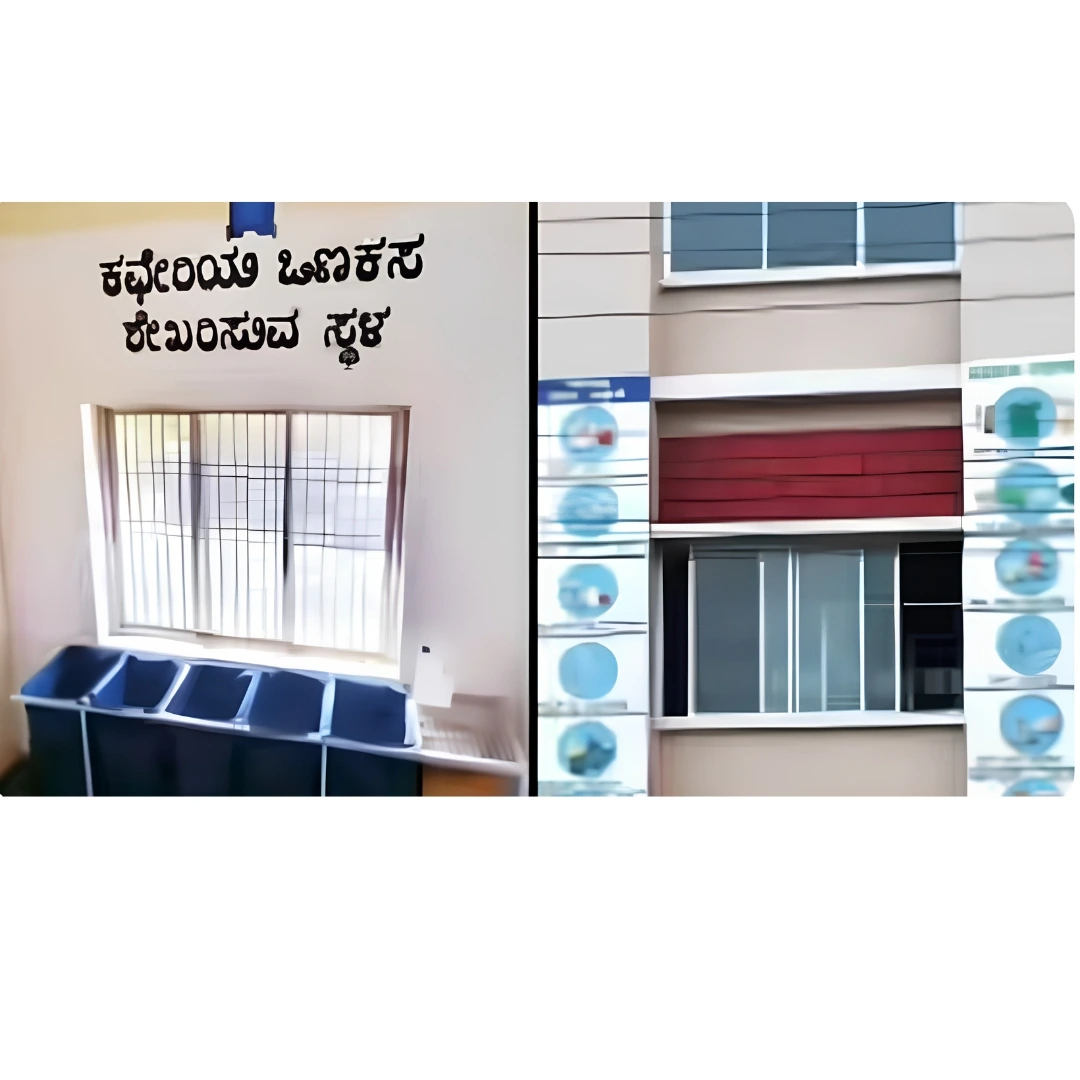
  • The WET waste is composted on-site or sent to piggeries and cattle farms.
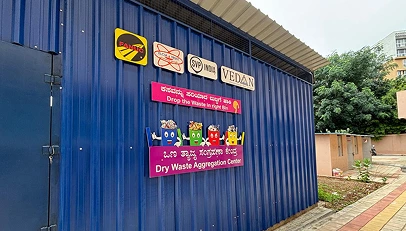
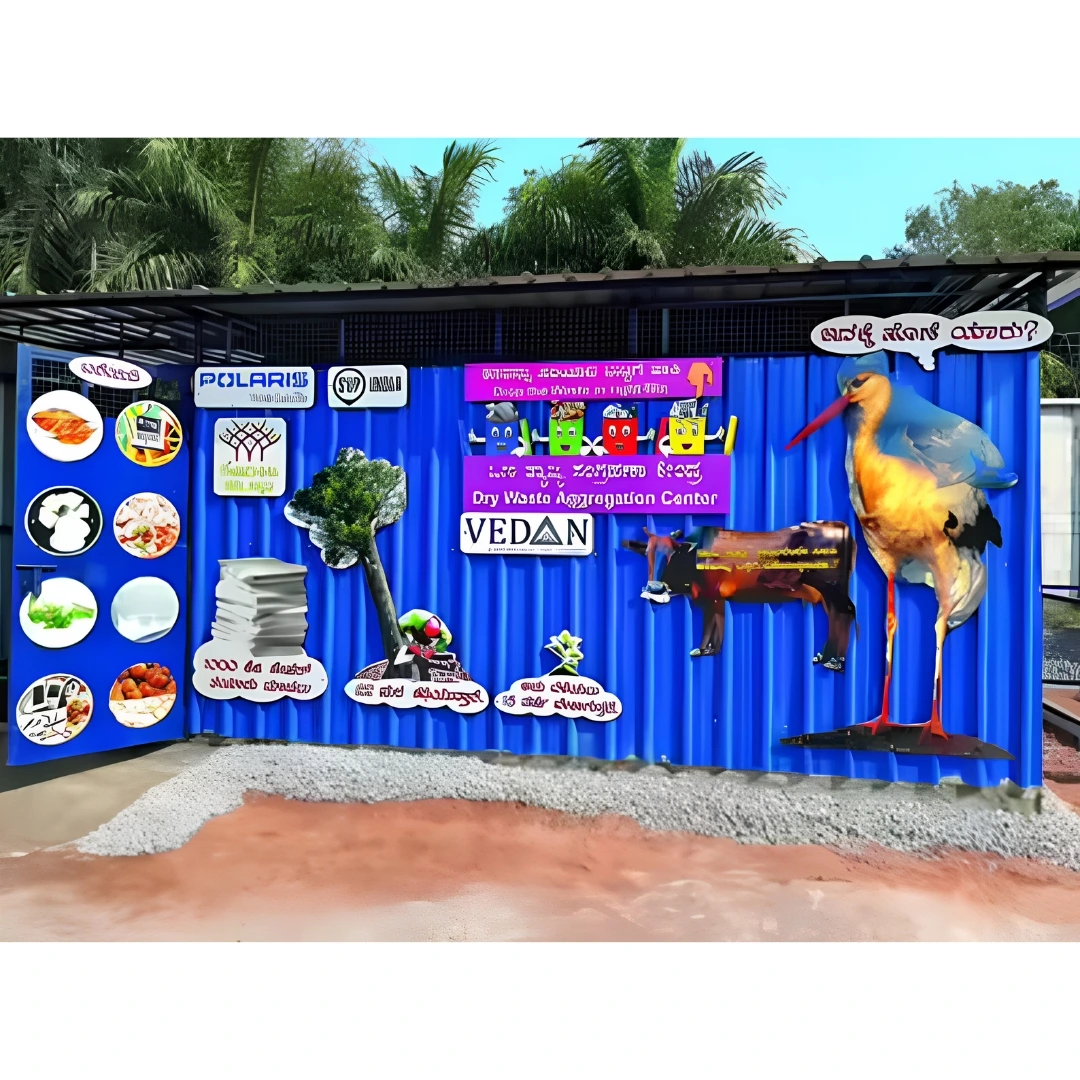
  • The DRY waste generated is aggregated in 20 different categories and sent for recycling.
  • REJECT Waste, including items like sanitary pads and diapers, is managed by an empaneled vendor using scientifically appropriate methods to ensure the reject waste is processed correctly reducing the negative impact on the environment.

Sample Text

WET Waste

Wet waste, including food and leaf waste, is composted on campus. This compost can then be used for gardening and landscaping, significantly reducing expenses on fertilizers. The campus also eliminates disposal costs for leaf and food waste.

DRY Waste

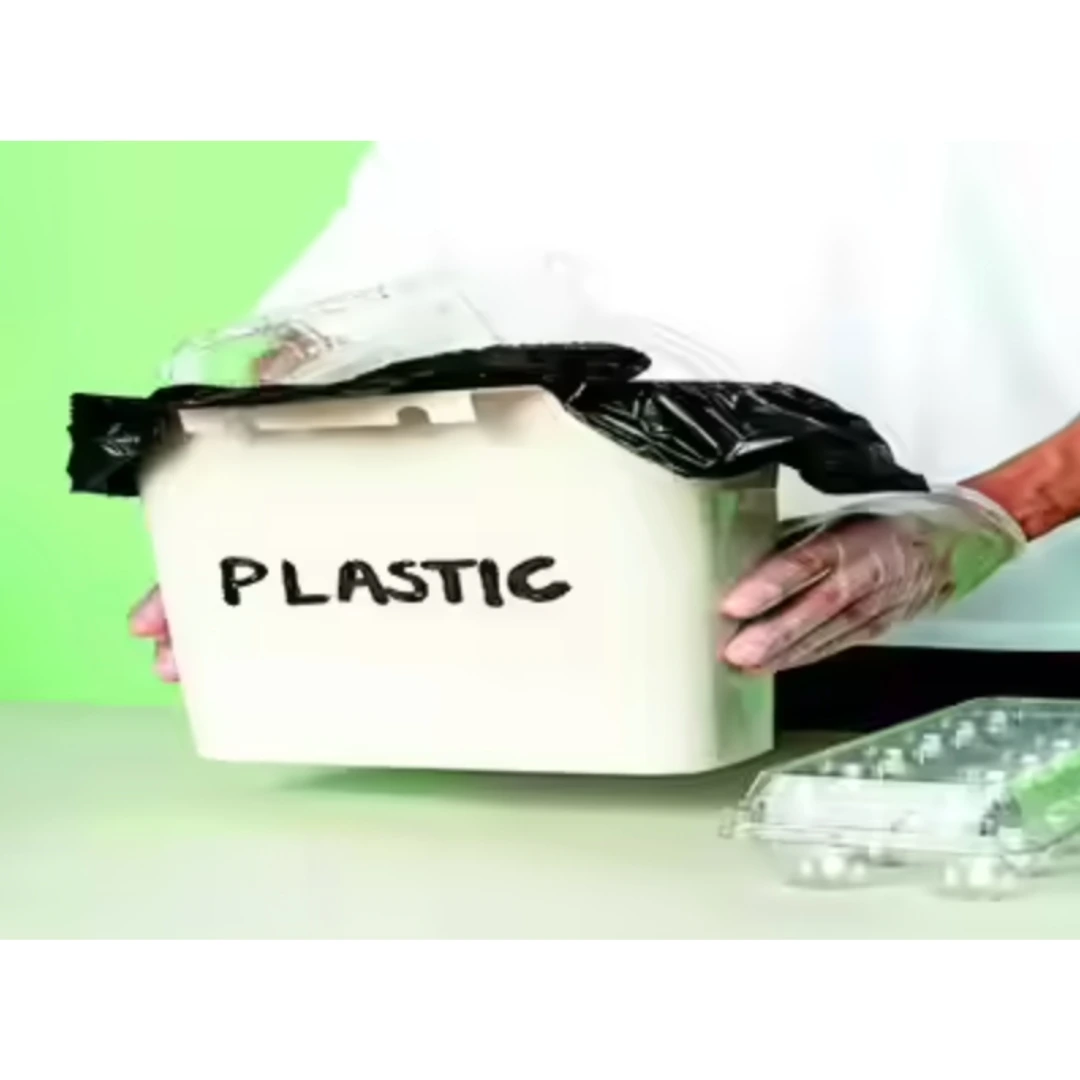
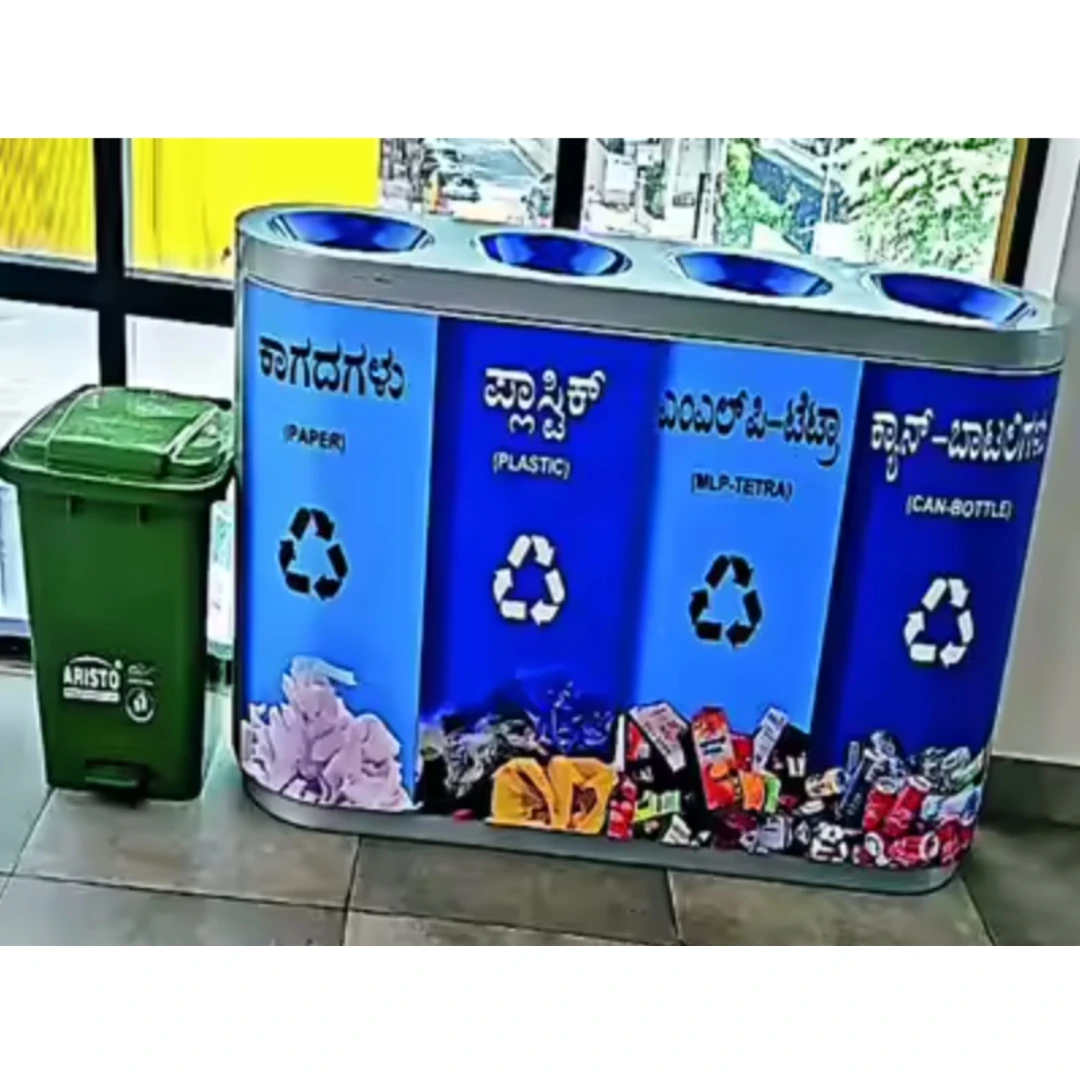
By dropping the waste in the right bin, waste recovery is optimised. Thereafter Dry waste can be categorised into 30+ types, from high-value items like A4 paper, newspapers, and cardboard, to lower-quality materials like multilayer plastic (MLPs), thermocol, glass pieces, bed linens, and paper scraps.

While high-quality waste yields more revenue, even low-quality waste can generate considerable value when managed with the right system is implemented. Institutions that have implemented this model not only create revenue streams but have reached profitability as well.

1. News paper
2. Teared Box
3. Cardboard box
4. Colour Paper
5. Teared Paper
6. Plastic (HARD)
7. Black Plastic
8. Iron Light Weight Material
9. Iron
10. White Plastics Cover (KIT)
11. Mix Colour Plastics (KUR)
12. Kitchen White Paper
13. Pet Bottle
14. Glass Pieces
15. Thermocoal
16. Shedding paper
17. White paper
18. Magazine
19. Tetra pack
20. Milk cover
21. Waste pens
22. Waste tyres
23. Cloths (Pants)
24. Wood
25. Steel ( S S )
26. Aluminium (Second)
27. Aluminium
28. Wire
29. Computer & Camera Wire
30. Shoes
31. Plastic Cheela
32. Wheelchair/ chair
33. Cloths
34. Oil Tin
35. BP White

REJECT Waste

Sanitary pads, Diapers and First Aid waste is stored separately and collected by an Empanelled Vendor, who is authorised by the local municipality for safe disposal of reject waste.

Our Zero Waste Journey: A Ripple of Transformation

Every transformation begins with a single action.

For Vedan, that action was a volunteering initiative to paint the walls of Madiwala Market. Among the volunteers was a lecturer from Krupanidhi College. Inspired by the experience and Vedan’s approach to environmental sustainability, the lecturer introduced Vedan’s waste management model to the Chairman and CEO of Cambridge Institute of Technology (CIT), who were passionate advocates of sustainable development and the Sustainable Development Goals (SDGs).

Recognising the need to address waste management challenges, the leadership of CIT approached Vedan for support in eliminating the waste blackspots surrounding the campus. What began as an effort to improve the neighbourhood soon evolved into a larger vision—to transform the campus itself into a model Zero Waste Campus.

Guided by the principle of “Practice What We Preach,” the college decided to first address its own waste management practices before influencing the community outside its gates. This marked the beginning of CIT’s Zero Waste Campus journey under Vedan’s guidance.

A comprehensive assessment of the campus was undertaken to understand existing waste generation patterns, infrastructure gaps, and behavioural practices. Based on this study, Vedan developed and implemented a comprehensive waste management system that served as a proof of concept for creating a sustainable and replicable Zero Waste Campus model.

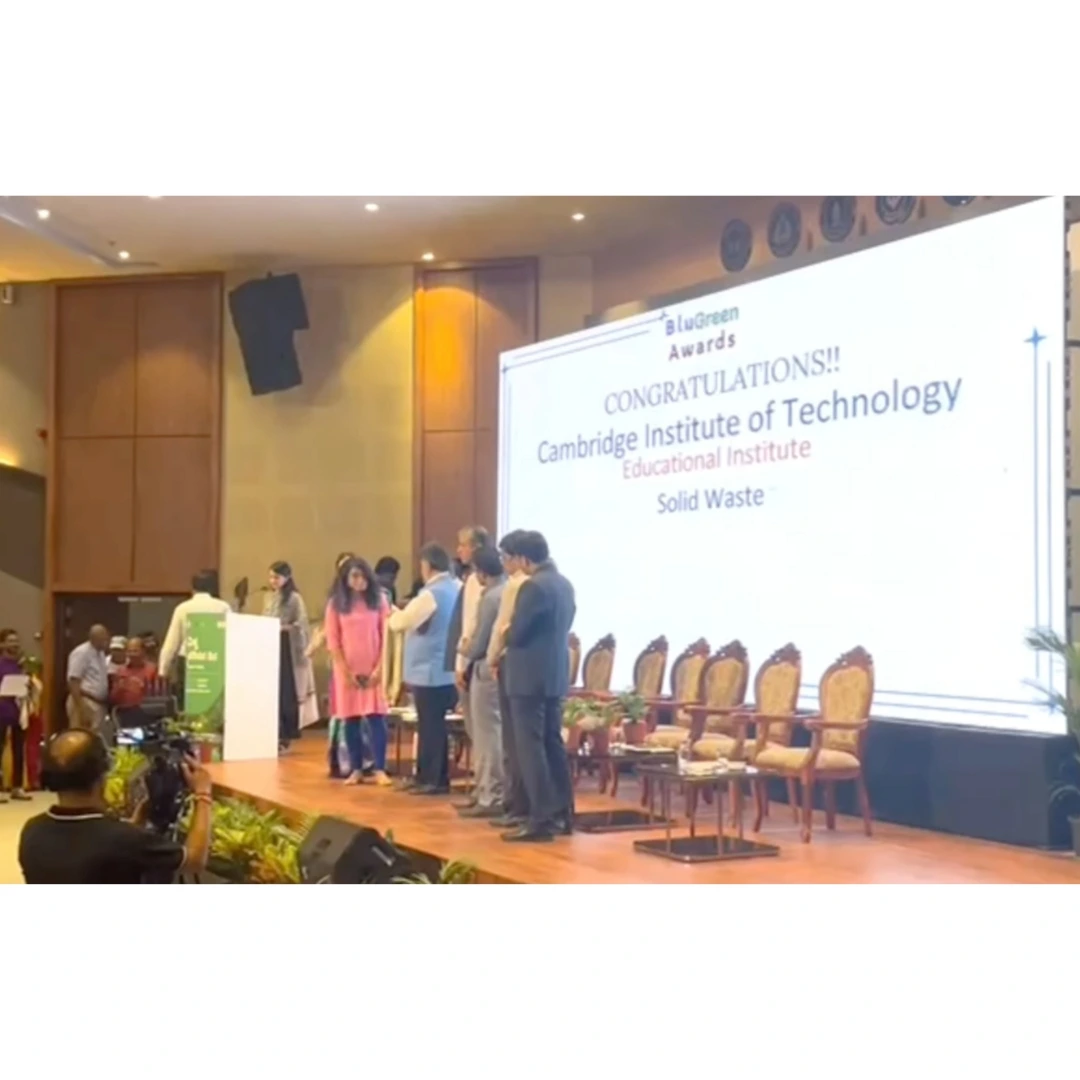
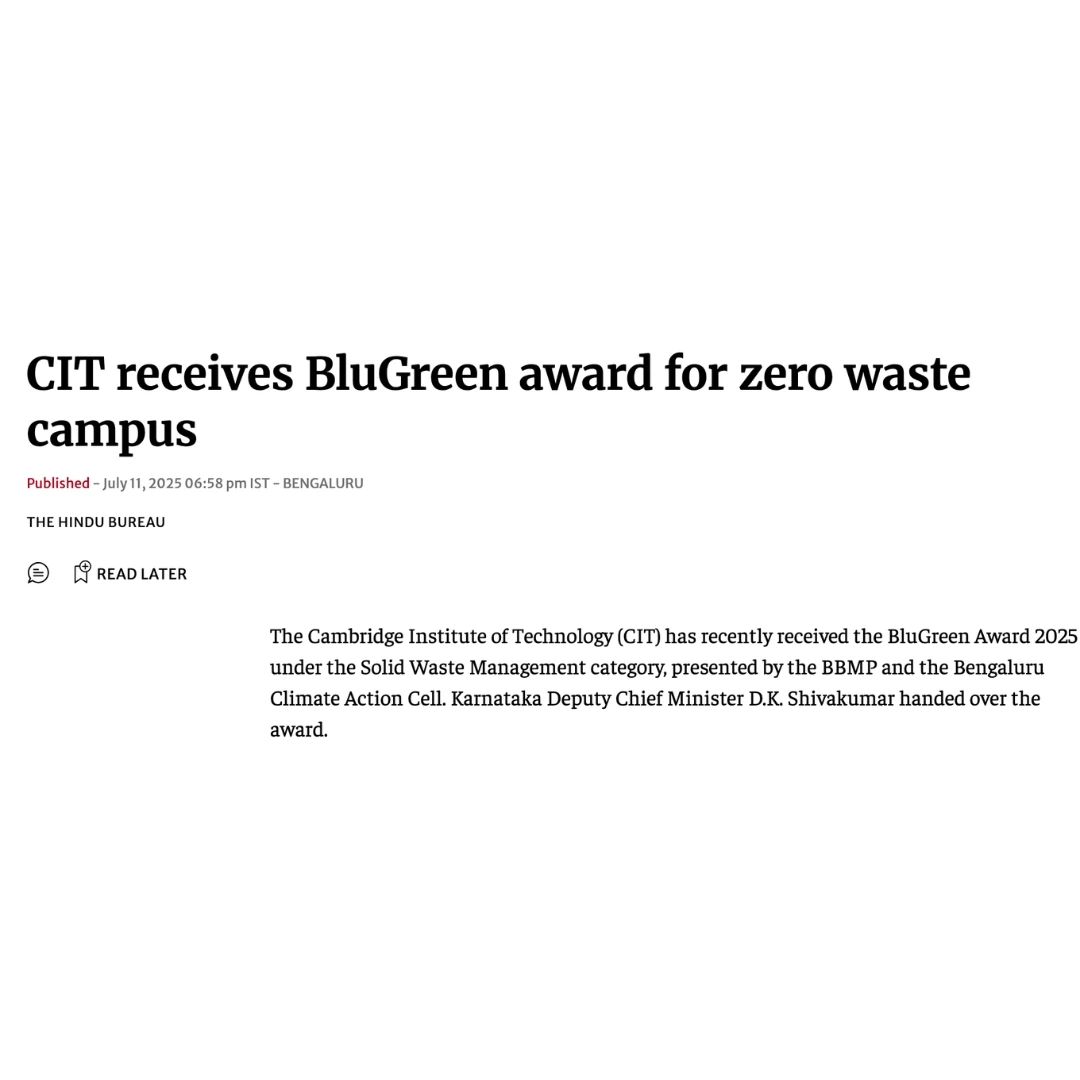
The transformation received widespread recognition. Cambridge Institute of Technology was honoured with the Special Award for Best Waste Management at the First CSR Film Festival and the Best Waste Management Award at the Confederation of Indian Industry (CII) Conference in 2023. The institution also received an Appreciation Letter from the Town Municipal Council (TMC), Moodbidire. Further recognising its leadership in sustainability, the Chairman of CIT, Mr. D.K. Mohan, was conferred the Greenpreneur – Sustainability Trendsetter Award by Vyapaar Jagat.

The success of CIT created a powerful ripple effect.

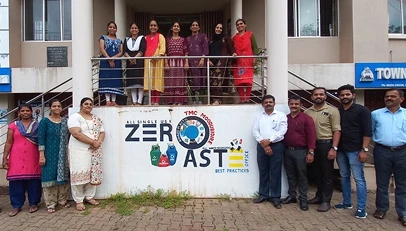
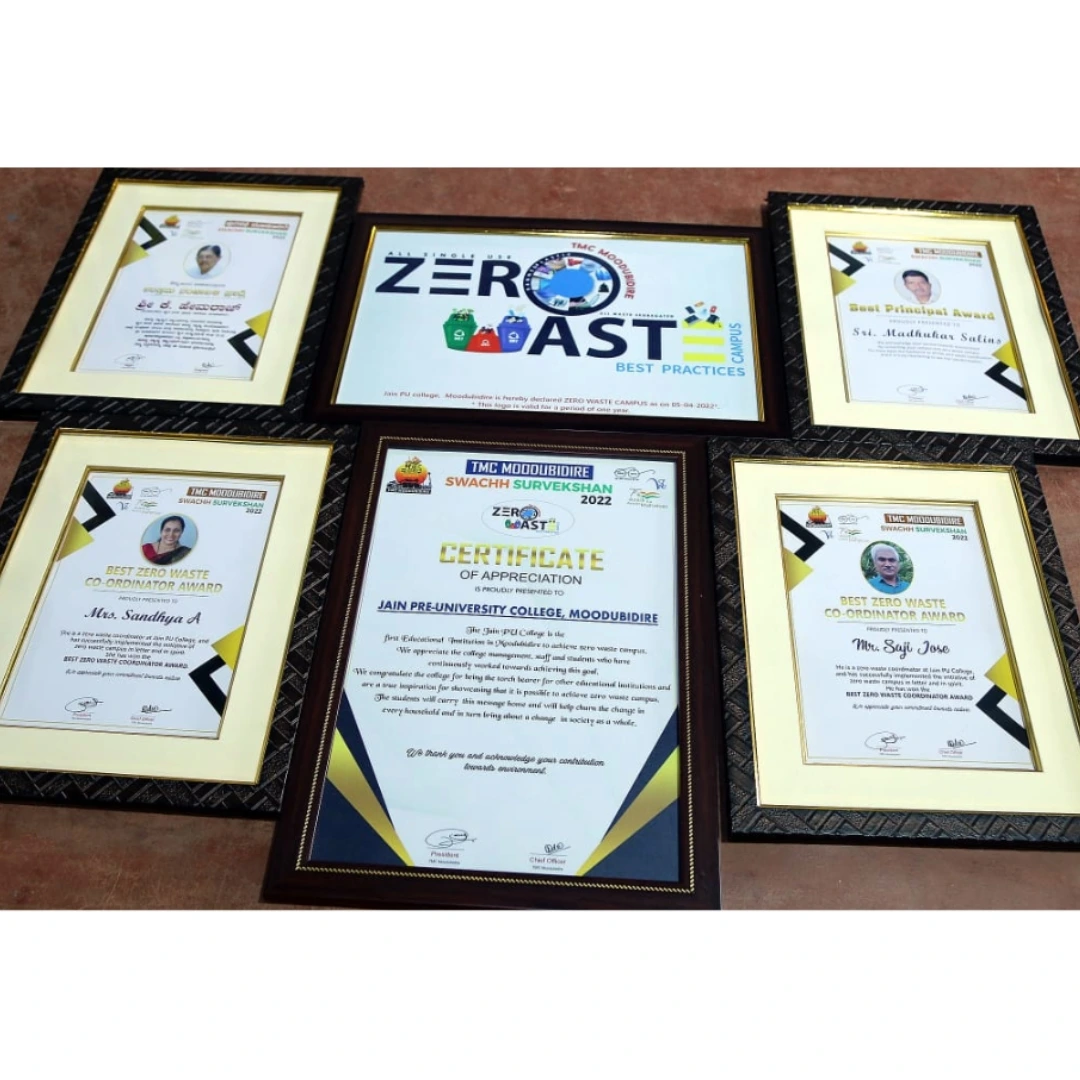
Inspired by the college’s transformation, the Town Municipal Council (TMC), Moodbidire partnered with Vedan to adopt a Zero Waste approach within its own office. Believing that lasting public change begins with institutional leadership, the TMC chose to first demonstrate best practices within its own premises before encouraging citizens to follow suit.

With Vedan’s technical support, the TMC Office successfully transformed into a Zero Waste Office. The initiative was later recognised by the Directorate of Municipal Administration (DMA) as a Best Practice (2021–2022) and received the Zero Waste Office award.

To further expand the movement, Vedan facilitated a knowledge-sharing event where the CEO of Cambridge Institute of Technology was invited by TMC, Moodbidire to share the institution’s journey with the heads of government and private educational institutions. The session demonstrated how committed leadership, systematic implementation, and behavioural change could create lasting environmental impact.

The inspiration quickly spread.

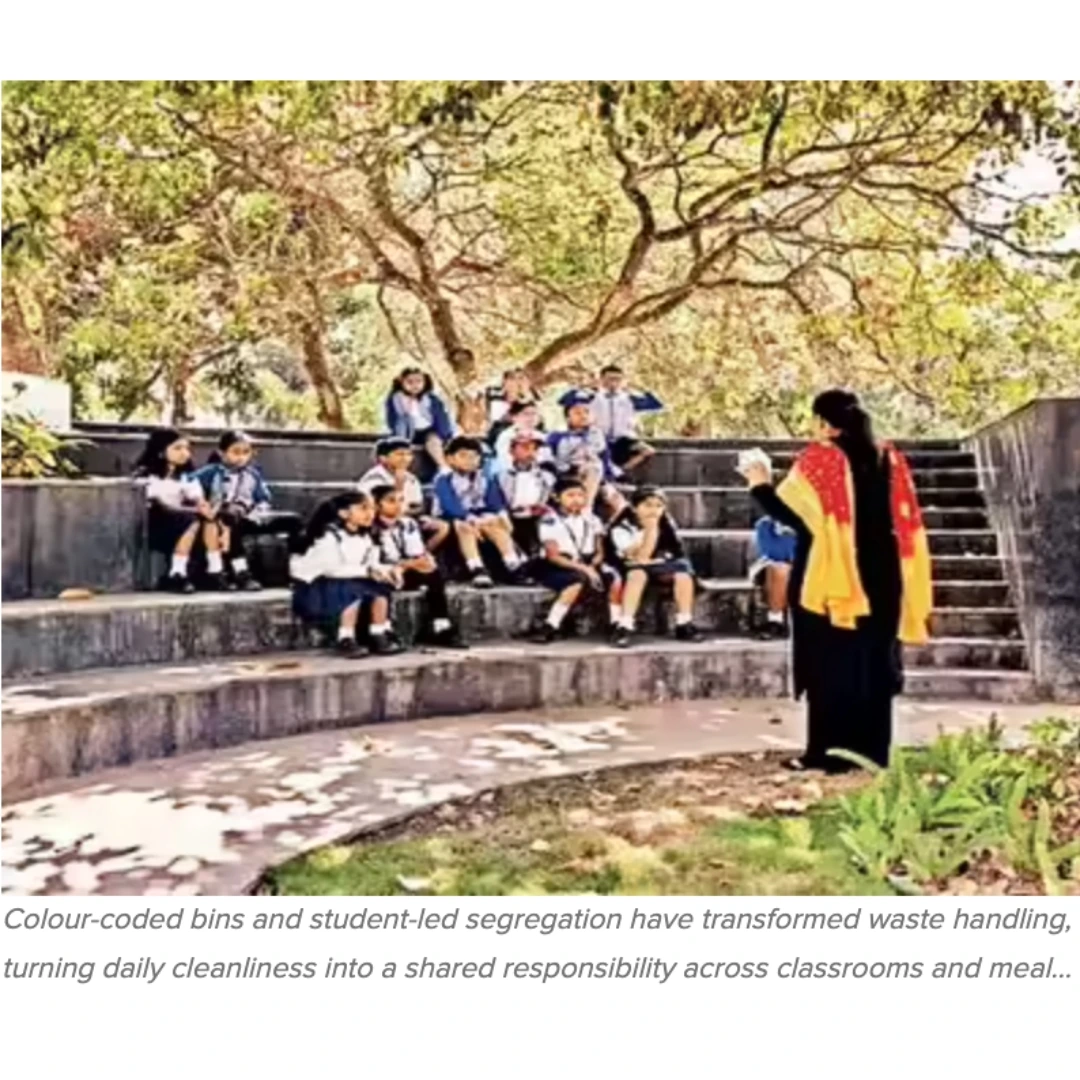
Through a series of awareness programmes, capacity-building workshops, and technical handholding by Vedan, eight educational institutions successfully adopted the Zero Waste Campus model.

The momentum continued when Swachha Belaku, through its 7R Project, recognised CIT’s model as a practical, scalable, and effective approach to waste reduction. This recognition provided the opportunity to present the Zero Waste Campus model to the Joint Commissioner of BBMP, Yelahanka Zone, who readily supported the initiative.

This collaboration with BBMP marked the beginning of another chapter in the journey. Educational institutions across the Yelahanka Zone began adopting the Zero Waste Campus model, creating a growing network of campuses committed to responsible waste management and environmental stewardship.

What began as a simple volunteer activity has today evolved into a movement—one institution inspiring another, one success creating many more, and one campus at a time building a cleaner, more sustainable future.

This is the ripple effect of leading by example.

Contact Us (ZWC)

Name(Required)

Yelahanka PU College

The stark reality of life. Despite sustained efforts, the initiative could not be taken forward due to lack of institutional support from the college management. This experience reinforced a critical learning: meaningful Zero Waste implementation requires active ownership and commitment from the institution to translate effort into outcomes.

Newtown Public School

The first school to receive the Zero Waste Logo from the MLA for their efforts in becoming and sustaining as a Zero Waste Campus

Ramagondanahalli Government School

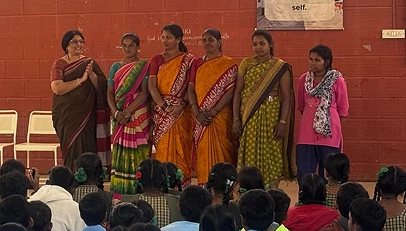
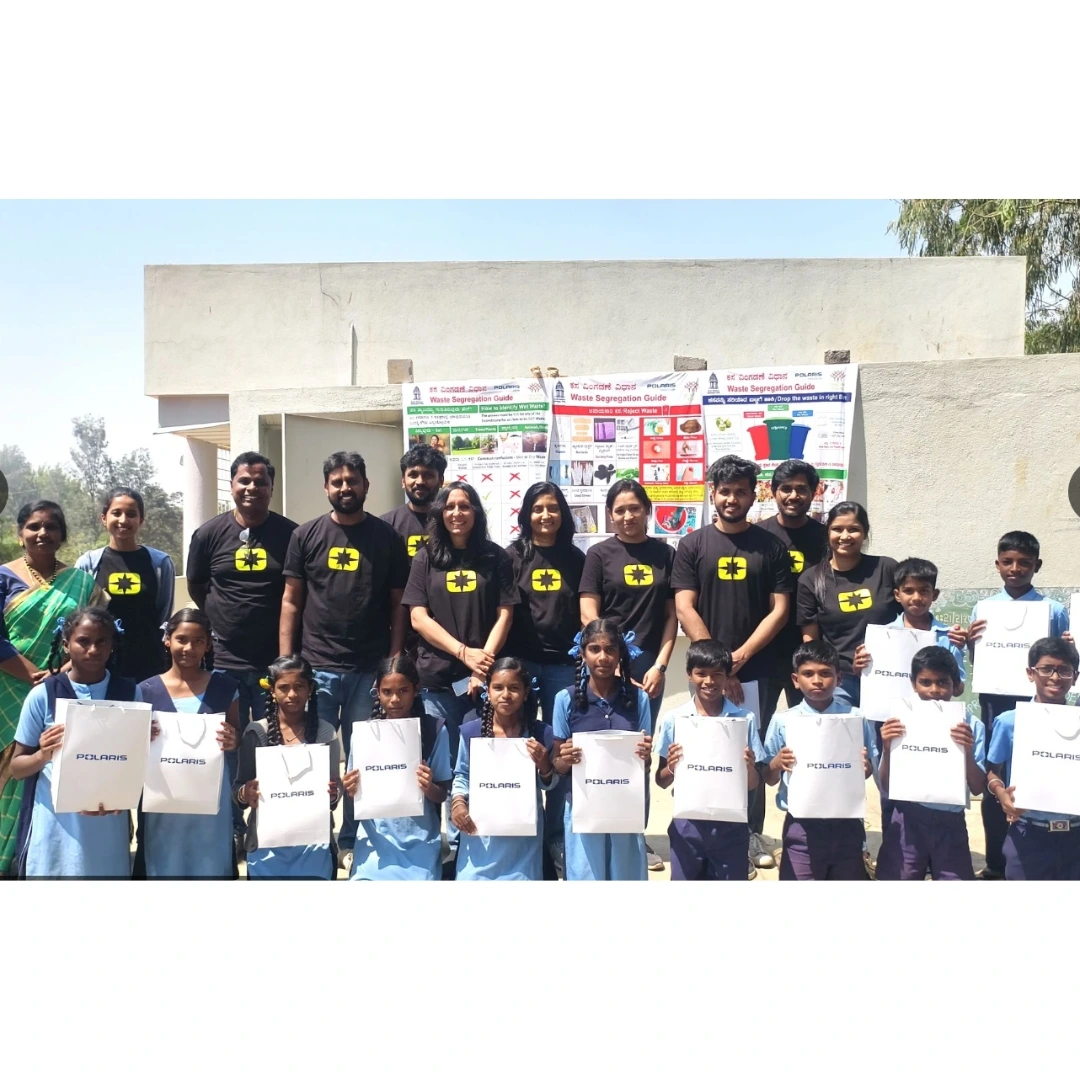
Our most recent Zero Waste Campus, where waste management is taught as a subject matter rather than just a secondary activity.

GHS Konappana Agrahara

This school in Electronic City has been the fastest transformation! Their enthusiasm for a better environment, motivates us all to do better!

Town Municipal Corporation (TMC) Moodubidire

A one-of-its-kind community! The town of Moodubidire have transformed themselves in terms of better waste management. Starting with the TMC office itself, to set an example of what can be done, before going to their constituents, they have paved the way for towns and cities to follow through.

Office of Commissioner of Police

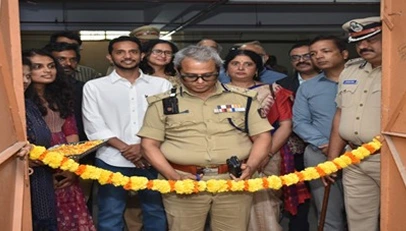
At the Commissioner of Police Office, Vedan demonstrated that Zero Waste is possible even in high-security, high-footfall government institutions. Through staff engagement, system setting, and practical waste dropping protocols, the initiative showed how disciplined institutions can lead by example and normalize sustainable practices within official workspaces.

Our Partners

Media Coverage

Scan. Support. Sustain.

At Vedan, we don’t just manage problems — we redesign systems, empower communities, and create models that continue long after we leave. Your support helps scale solutions that are practical, measurable, and replicable.

Donate Now