Our Zero Waste Journey: A Ripple of Transformation
Every transformation begins with a single action.
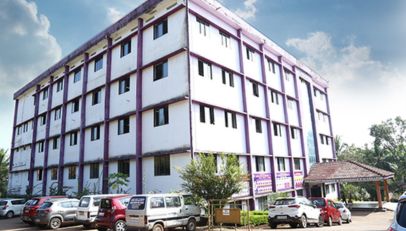
For Vedan, that action was a volunteering initiative to paint the walls of Madiwala Market. Among the volunteers was a lecturer from Krupanidhi College. Inspired by the experience and Vedan’s approach to environmental sustainability, the lecturer introduced Vedan’s waste management model to the Chairman and CEO of Cambridge Institute of Technology (CIT), who were passionate advocates of sustainable development and the Sustainable Development Goals (SDGs).
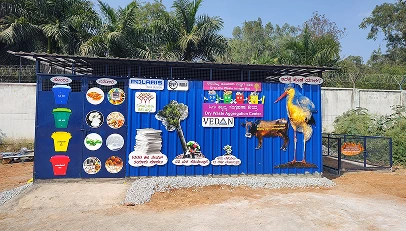
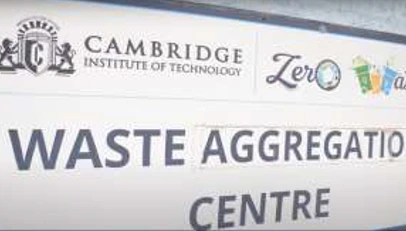
Recognising the need to address waste management challenges, the leadership of CIT approached Vedan for support in eliminating the waste blackspots surrounding the campus. What began as an effort to improve the neighbourhood soon evolved into a larger vision—to transform the campus itself into a model Zero Waste Campus.
Guided by the principle of “Practice What We Preach,” the college decided to first address its own waste management practices before influencing the community outside its gates. This marked the beginning of CIT’s Zero Waste Campus journey under Vedan’s guidance.
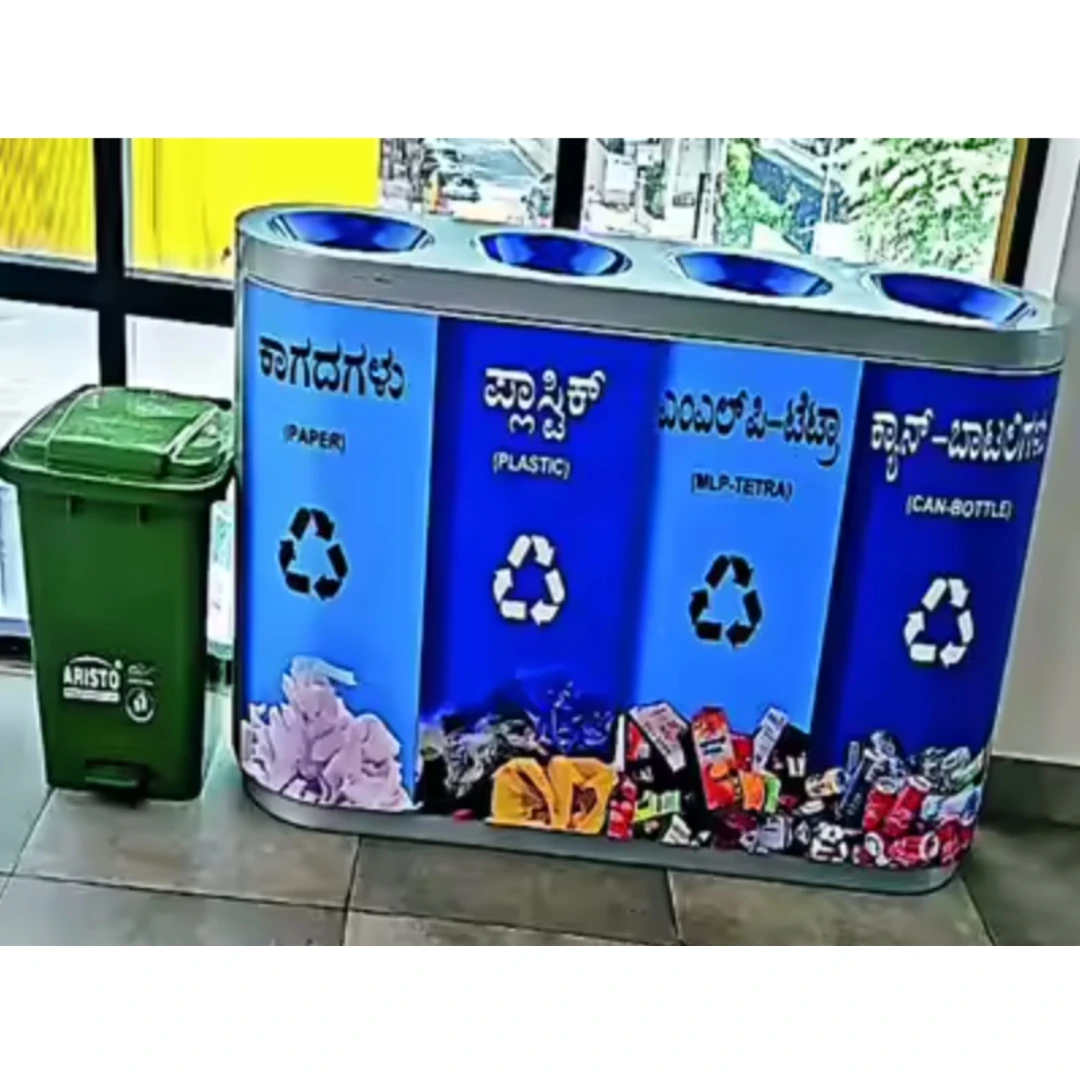
A comprehensive assessment of the campus was undertaken to understand existing waste generation patterns, infrastructure gaps, and behavioural practices. Based on this study, Vedan developed and implemented a comprehensive waste management system that served as a proof of concept for creating a sustainable and replicable Zero Waste Campus model.
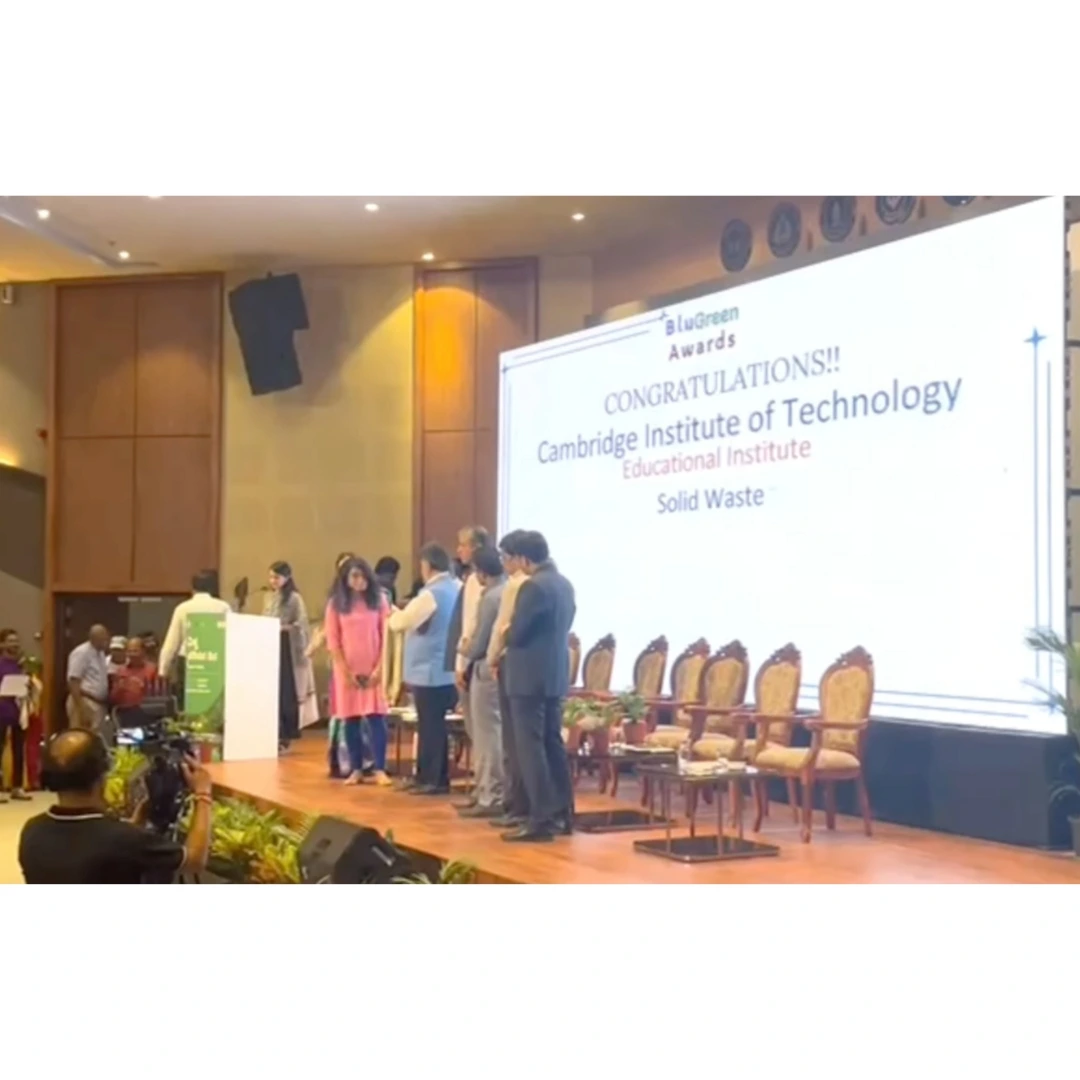
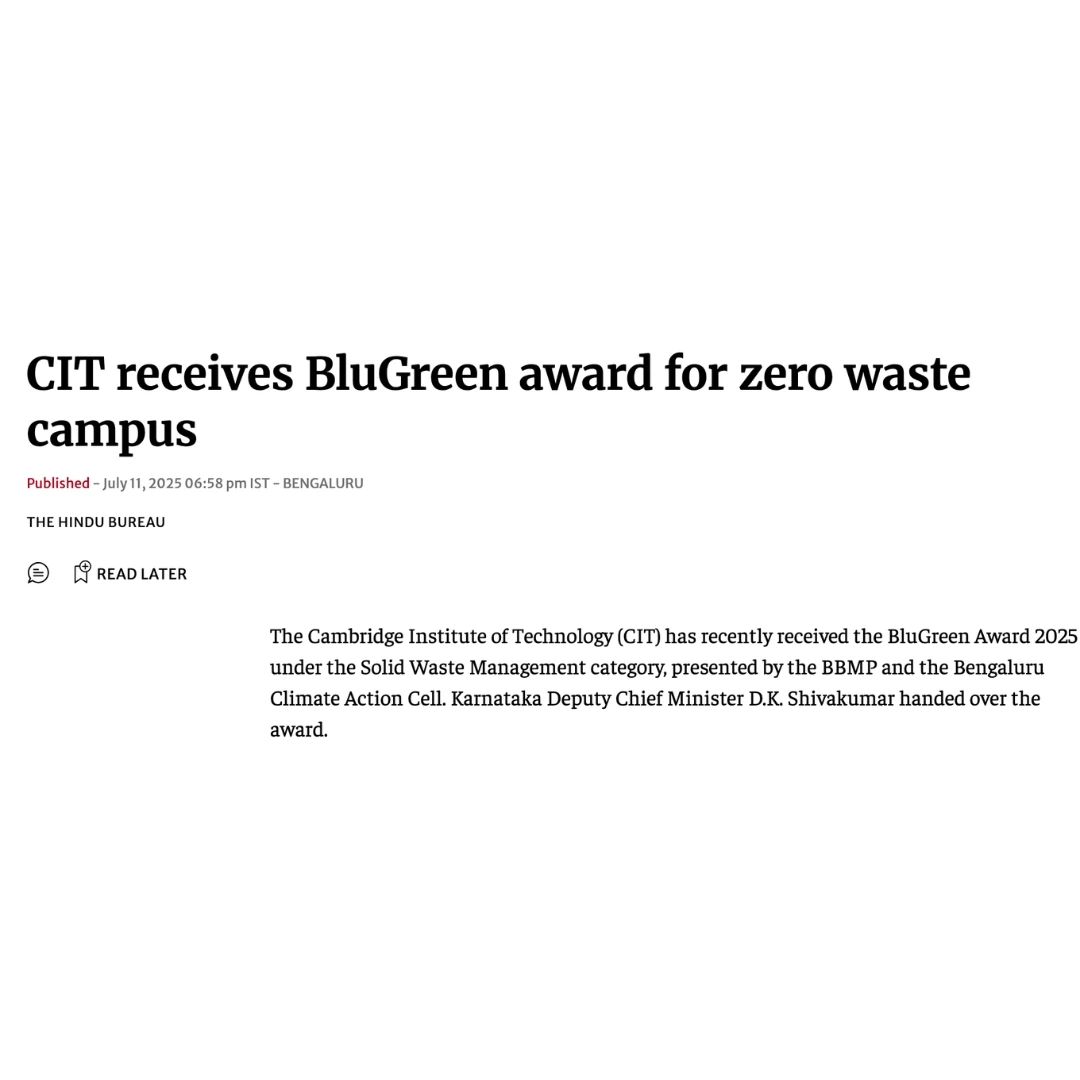
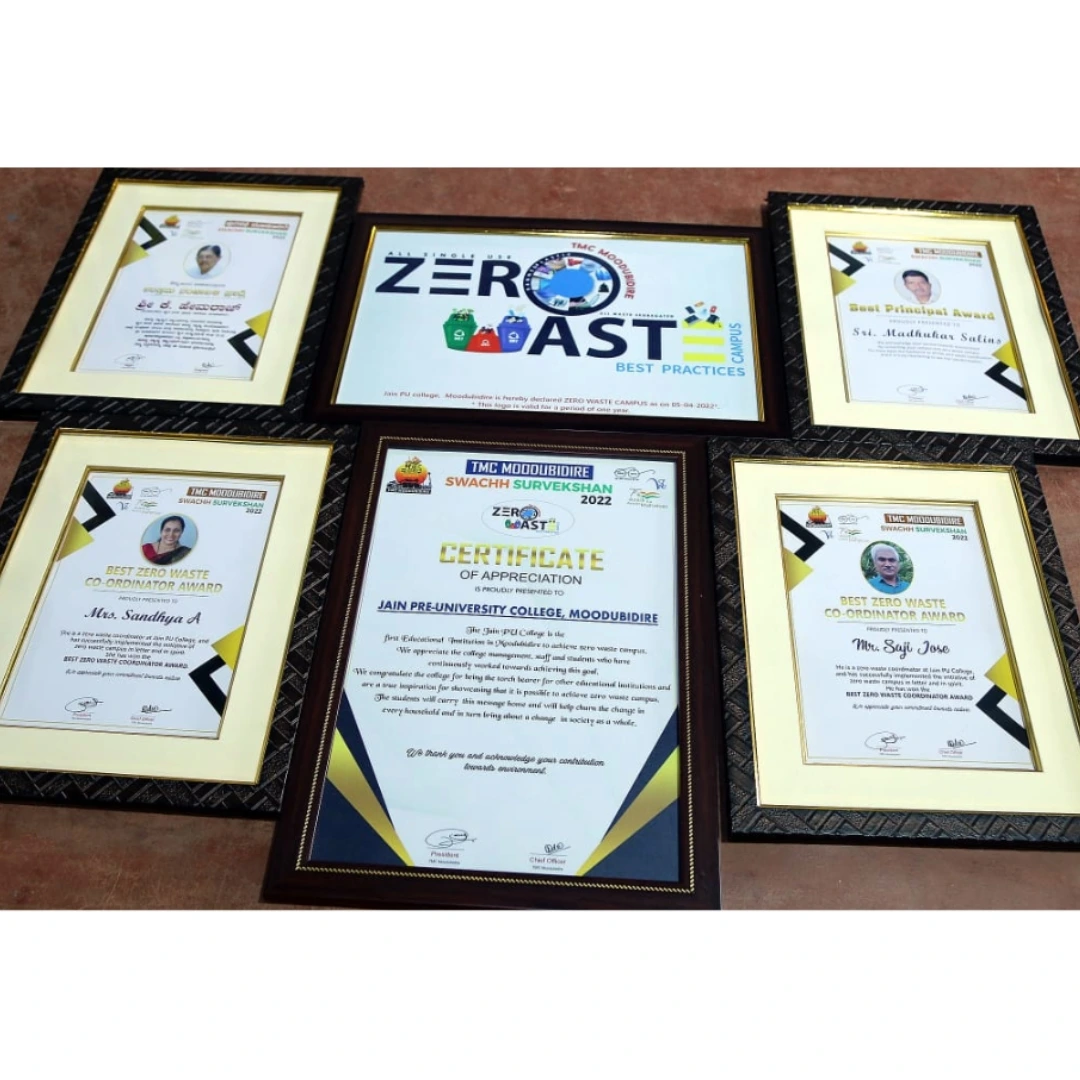
The transformation received widespread recognition. Cambridge Institute of Technology was honoured with the Special Award for Best Waste Management at the First CSR Film Festival and the Best Waste Management Award at the Confederation of Indian Industry (CII) Conference in 2023. The institution also received an Appreciation Letter from the Town Municipal Council (TMC), Moodbidire. Further recognising its leadership in sustainability, the Chairman of CIT, Mr. D.K. Mohan, was conferred the Greenpreneur – Sustainability Trendsetter Award by Vyapaar Jagat.
The success of CIT created a powerful ripple effect.
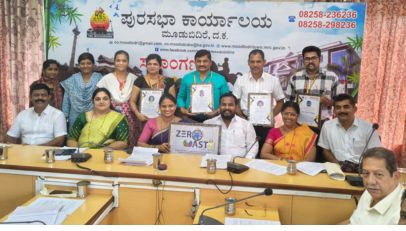
Inspired by the college’s transformation, the Town Municipal Council (TMC), Moodbidire partnered with Vedan to adopt a Zero Waste approach within its own office. Believing that lasting public change begins with institutional leadership, the TMC chose to first demonstrate best practices within its own premises before encouraging citizens to follow suit.
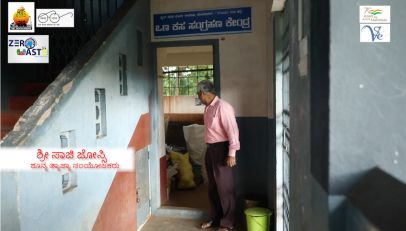
With Vedan’s technical support, the TMC Office successfully transformed into a Zero Waste Office. The initiative was later recognised by the Directorate of Municipal Administration (DMA) as a Best Practice (2021–2022) and received the Zero Waste Office award.
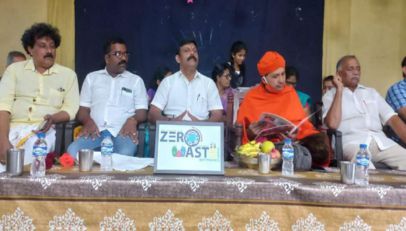
To further expand the movement, Vedan facilitated a knowledge-sharing event where the CEO of Cambridge Institute of Technology was invited by TMC, Moodbidire to share the institution’s journey with the heads of government and private educational institutions. The session demonstrated how committed leadership, systematic implementation, and behavioural change could create lasting environmental impact.
The inspiration quickly spread.
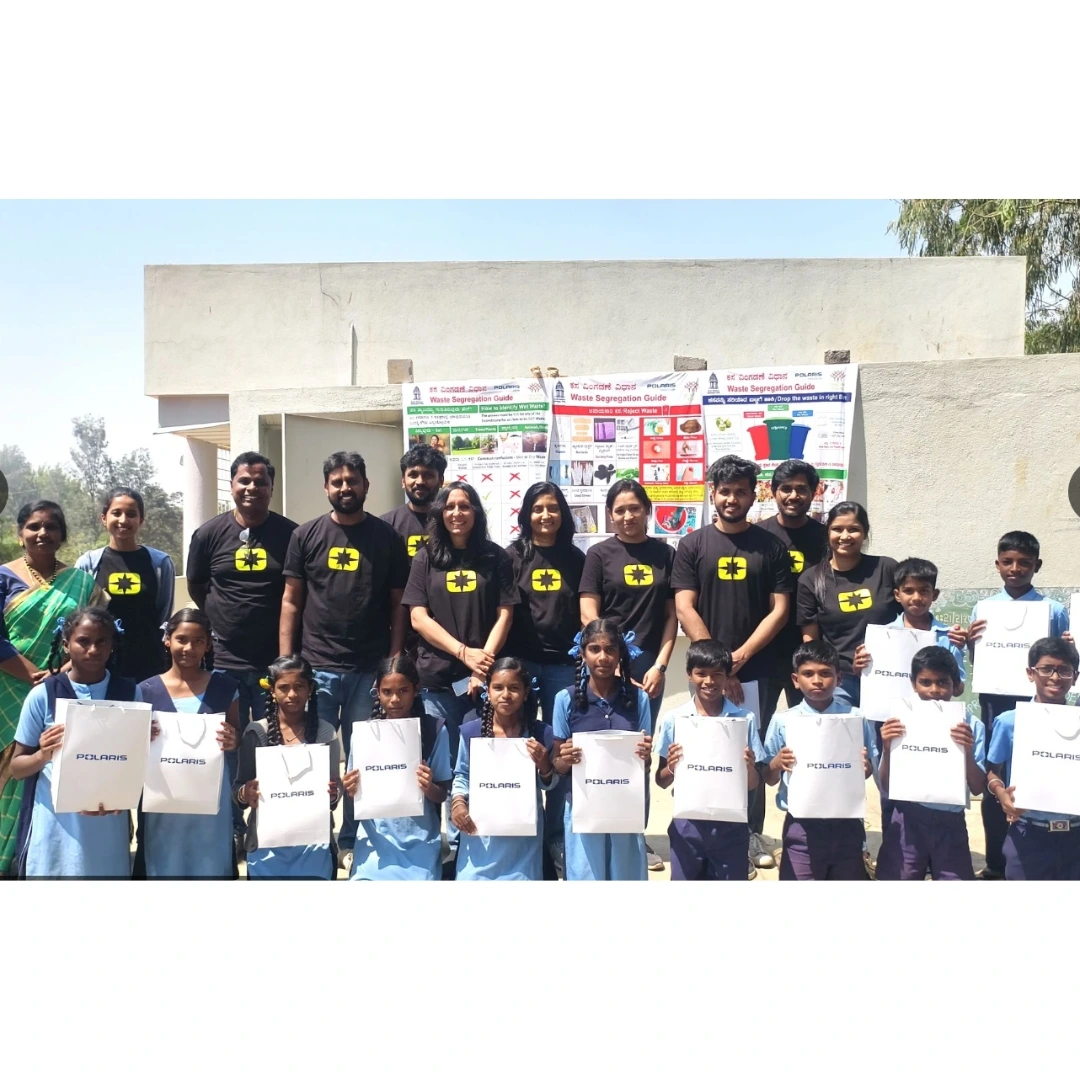
Through a series of awareness programmes, capacity-building workshops, and technical handholding by Vedan, eight educational institutions successfully adopted the Zero Waste Campus model.
The momentum continued when Swachha Belaku, through its 7R Project, recognised CIT’s model as a practical, scalable, and effective approach to waste reduction. This recognition provided the opportunity to present the Zero Waste Campus model to the Joint Commissioner of BBMP, Yelahanka Zone, who readily supported the initiative.
This collaboration with BBMP marked the beginning of another chapter in the journey. Educational institutions across the Yelahanka Zone began adopting the Zero Waste Campus model, creating a growing network of campuses committed to responsible waste management and environmental stewardship.
What began as a simple volunteer activity has today evolved into a movement—one institution inspiring another, one success creating many more, and one campus at a time building a cleaner, more sustainable future.
This is the ripple effect of leading by example.