Our waste management journey began in 2015, marking the start of our work in the social sector. During a summer volunteer program in Amruthalli, Yelahanka, our team noticed residents burning waste in front of their homes. When we investigated, we discovered that the auto waste collection service was irregular at that time.
To address this, we approached the Joint Commissioner, BBMP, and initiated a simple but effective local system. With the support of Dr. Sandhya, the then Zonal Health Officer of Yelahanka, we hired Mr. Muniyappa, provided him with a trolley and drums, and began door-to-door waste collection. The system ran successfully — residents were happy, and neighboring layouts like Venkatappa and Vattappa also requested the service.
However, when contractors noticed this parallel initiative, the system was discontinued. This experience made us realize the need to formalize our efforts — and thus, Vedan NGO was born.
The Beginning of Ward Mapping
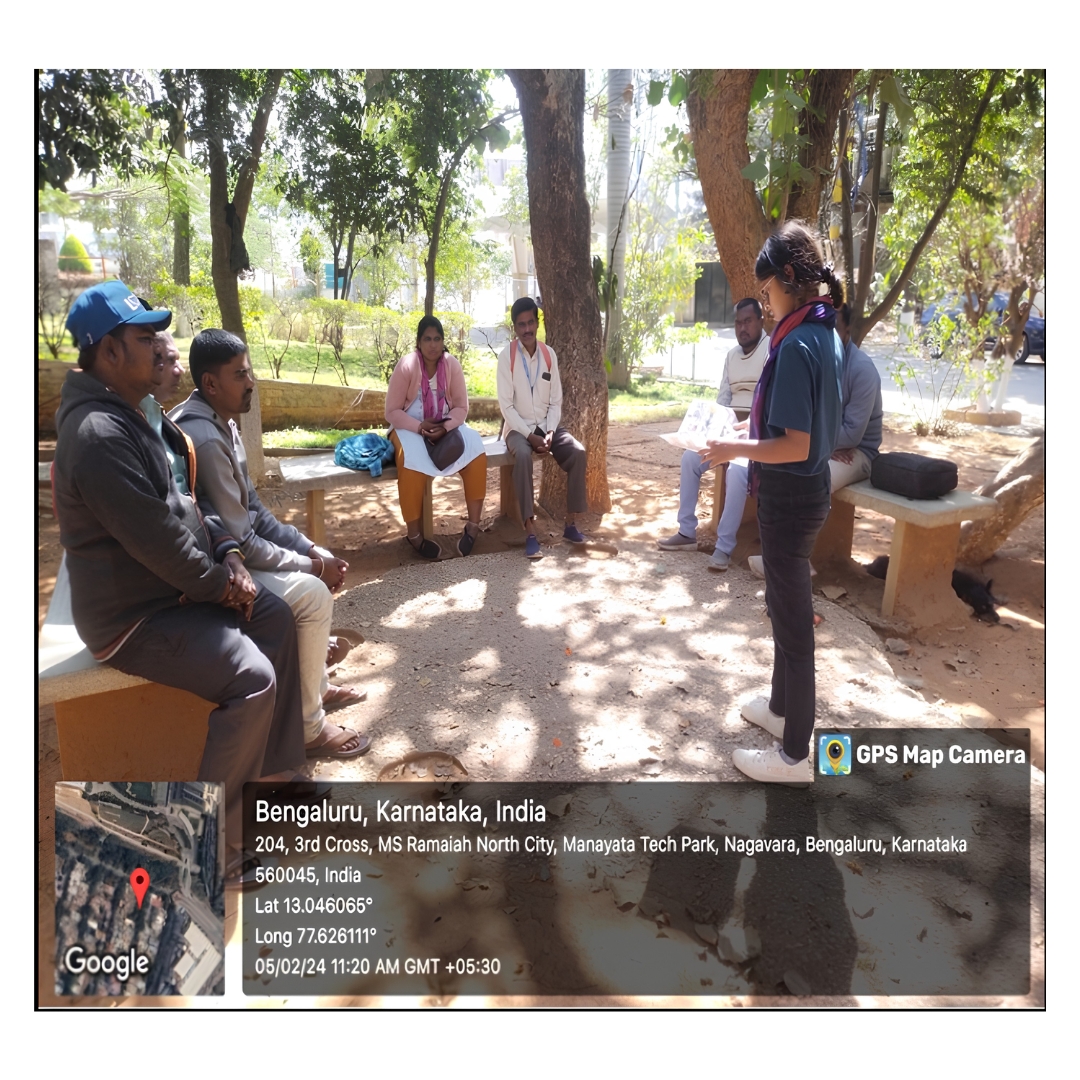
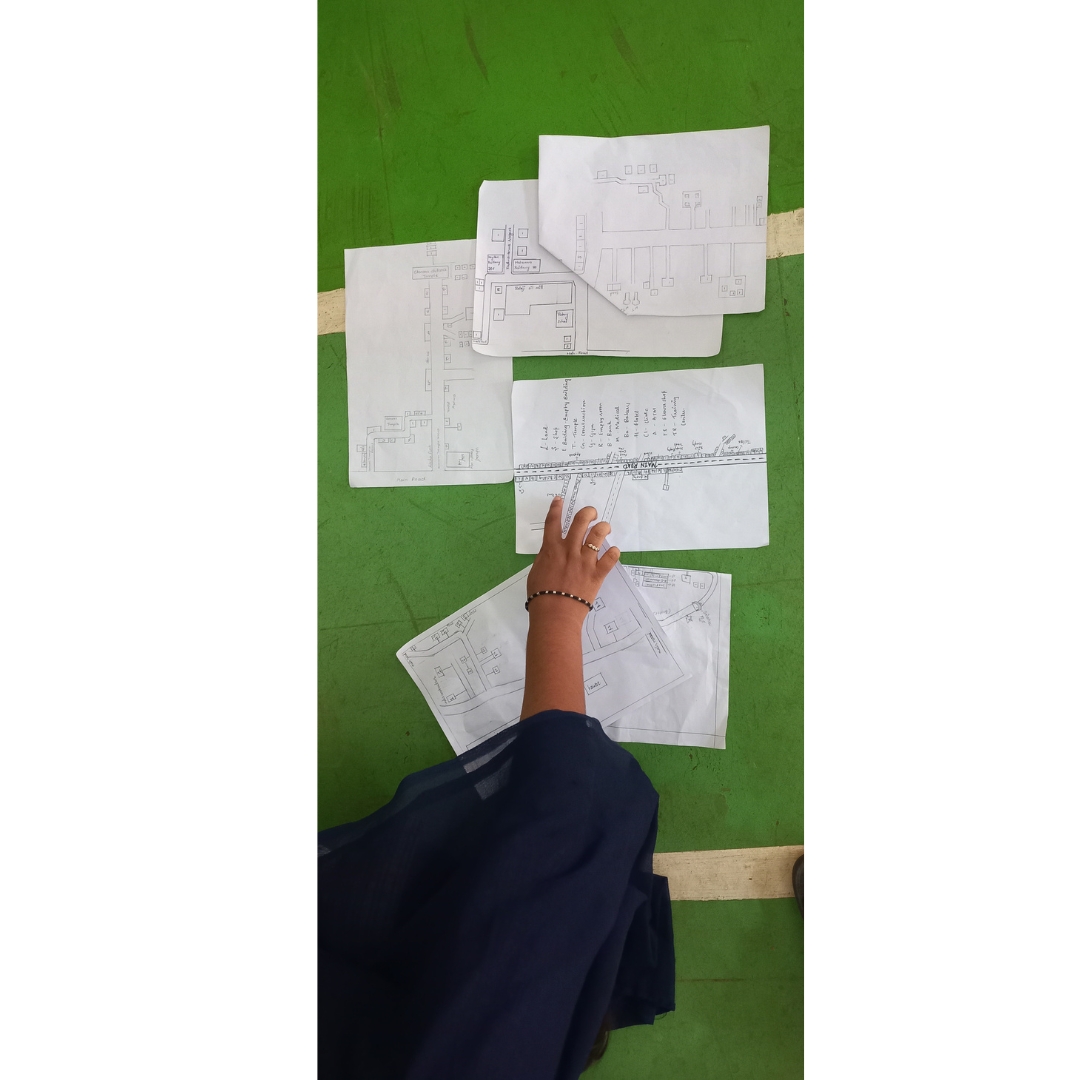
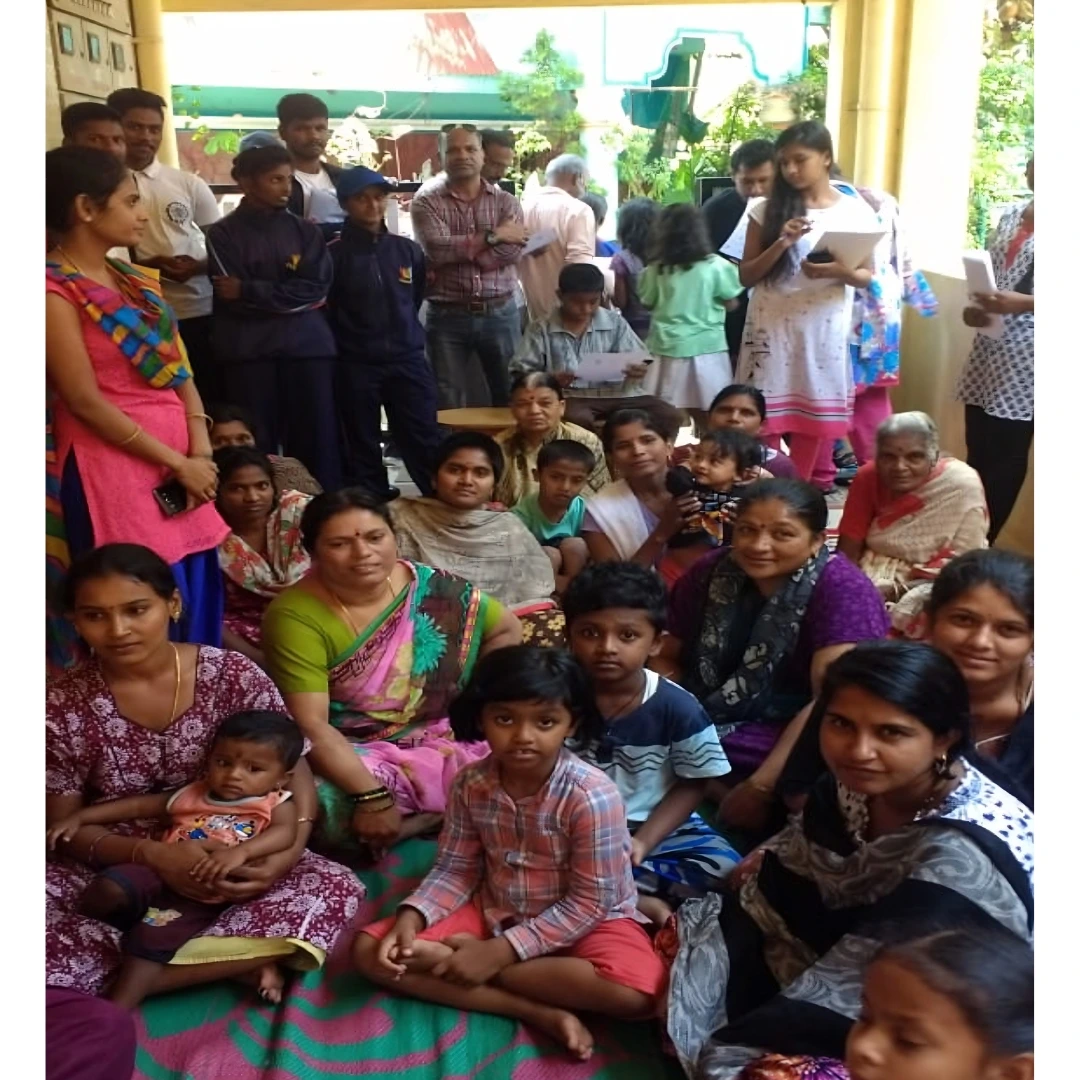
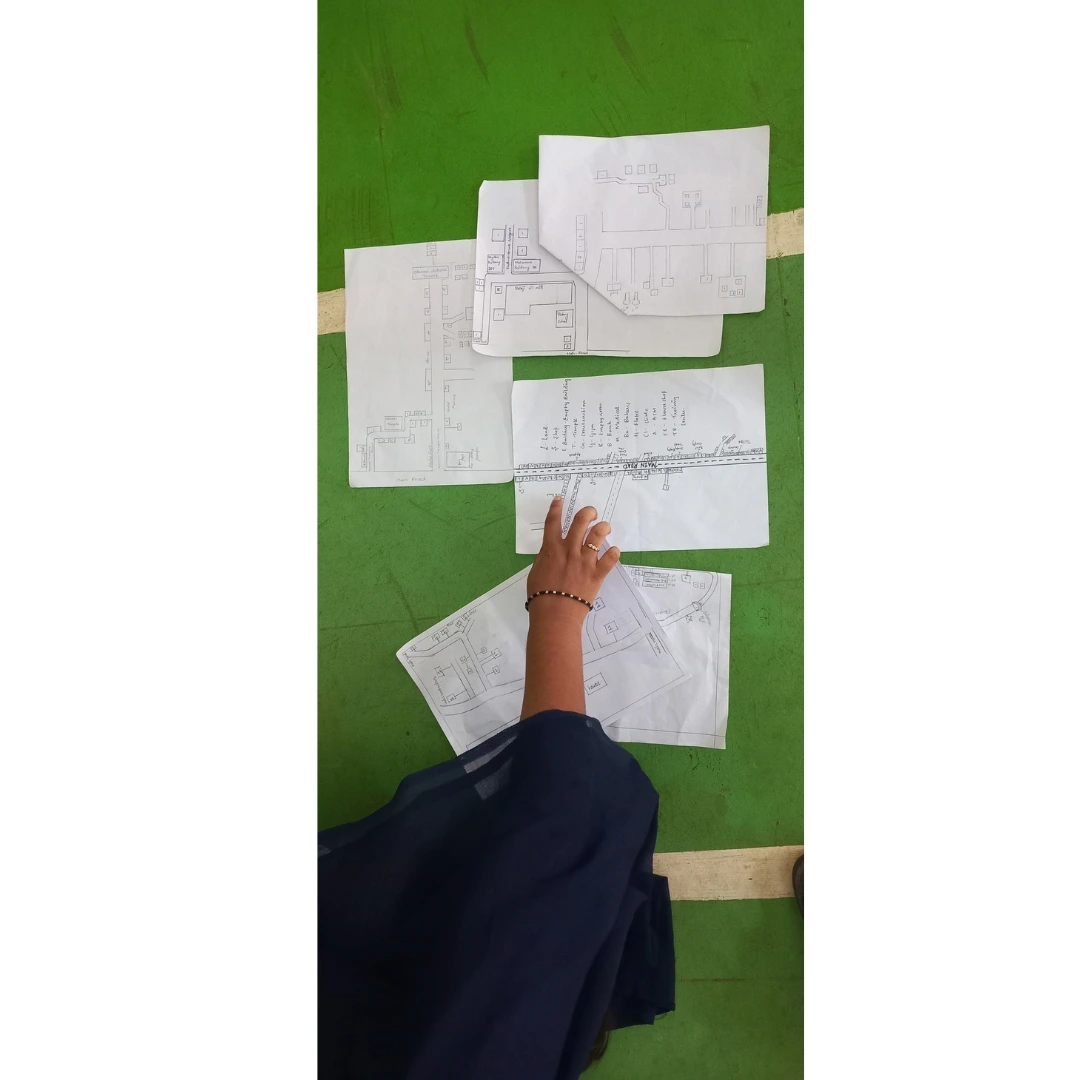
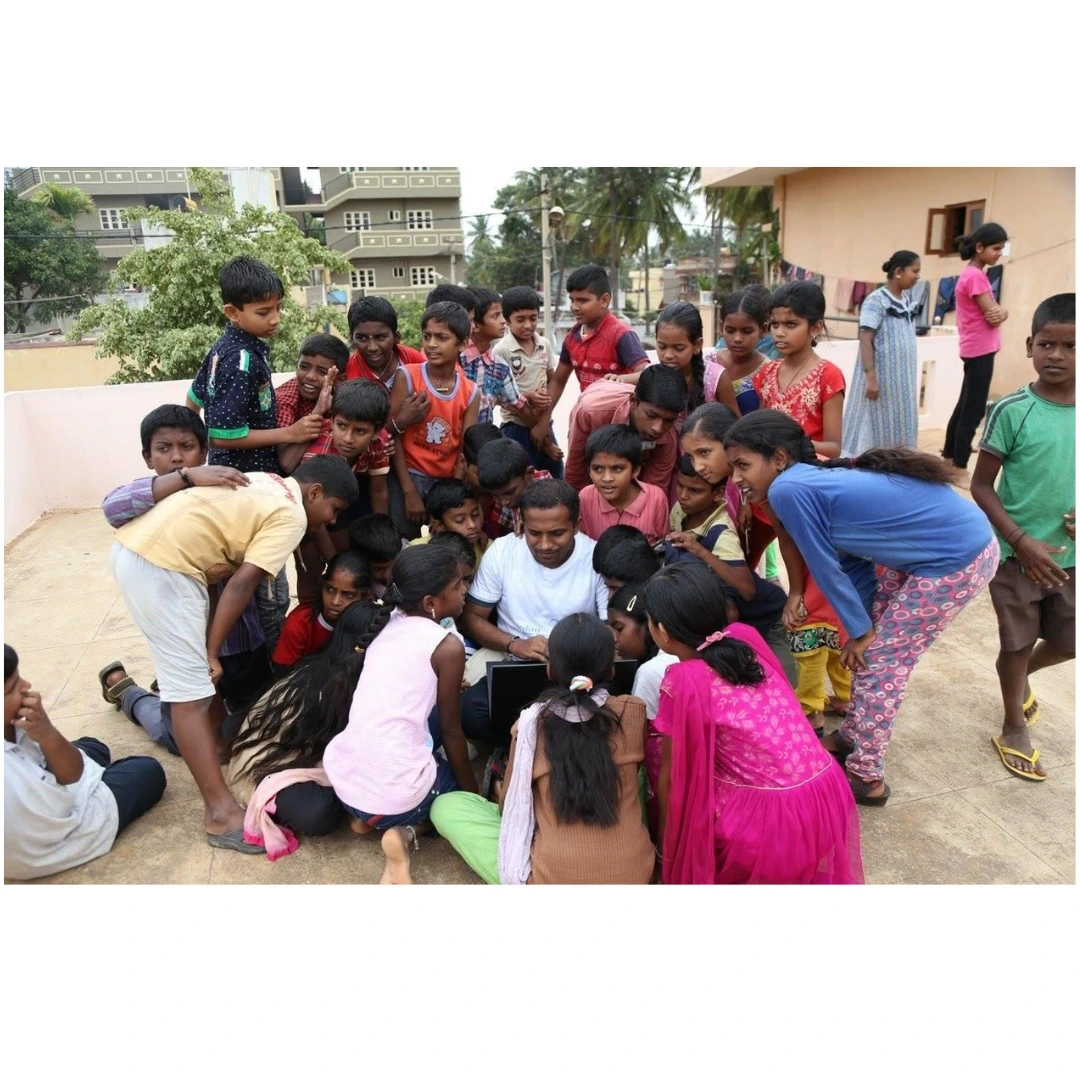
Our mapping work started in 2018, at Netravati Layout, which had nearly 1,000 households. Using lessons from Amruthalli, we created layout maps that clearly indicated waste collection points and timings. A dedicated WhatsApp group was formed for residents, and awareness drives were conducted by young student volunteers.
Through these efforts, resident volunteers became active participants — they gathered at the auto points at 6:30 a.m. to ensure timely collection and accountability in their blocks. This was a turning point that connected community participation with systematic waste management.
Building on our field experience, we took our learnings to TMC Moodubidiri. Here, our idea of Ward Maps was formalized. With the help of NSS students from Alva’s and Davana Colleges, and guidance from local ward councillors, we created hand-drawn ward maps covering 14 wards. These maps outlined routes, road networks, and waste collection timings — making micro-planning a practical reality.
The next version of this work emerged in Thanisandra Ward, Bengaluru, where we developed digitized ward maps using CAD drawings. These detailed maps included:
- Auto collection routes and timings
- PK sweeping schedules
- Estimated waste generation data
This model aligns directly with the Swachh Bharat Mission’s goal of micro-planning under Swachh Survekshan, transforming theory into a functional tool for local governance.
From IEC to Behaviour Change
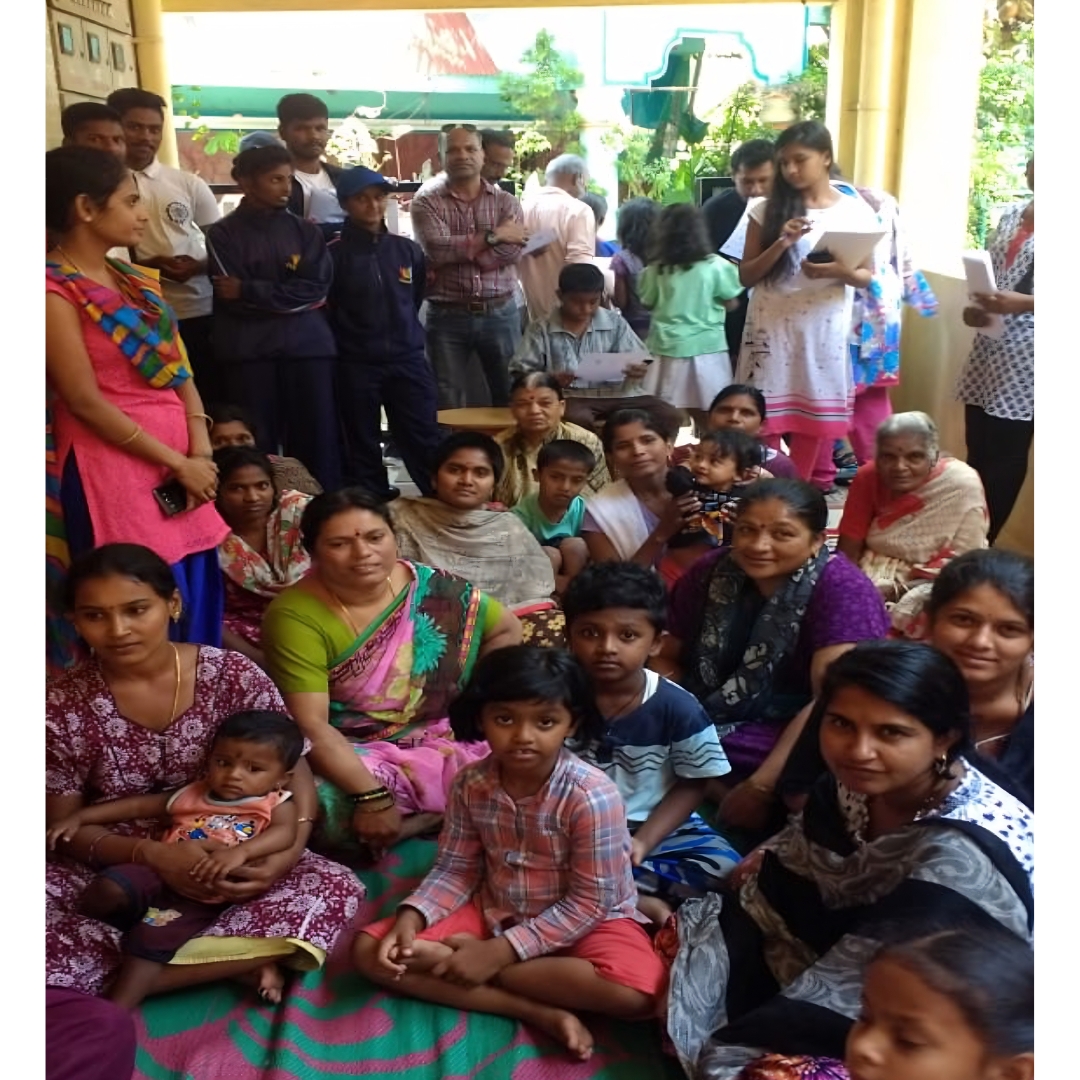
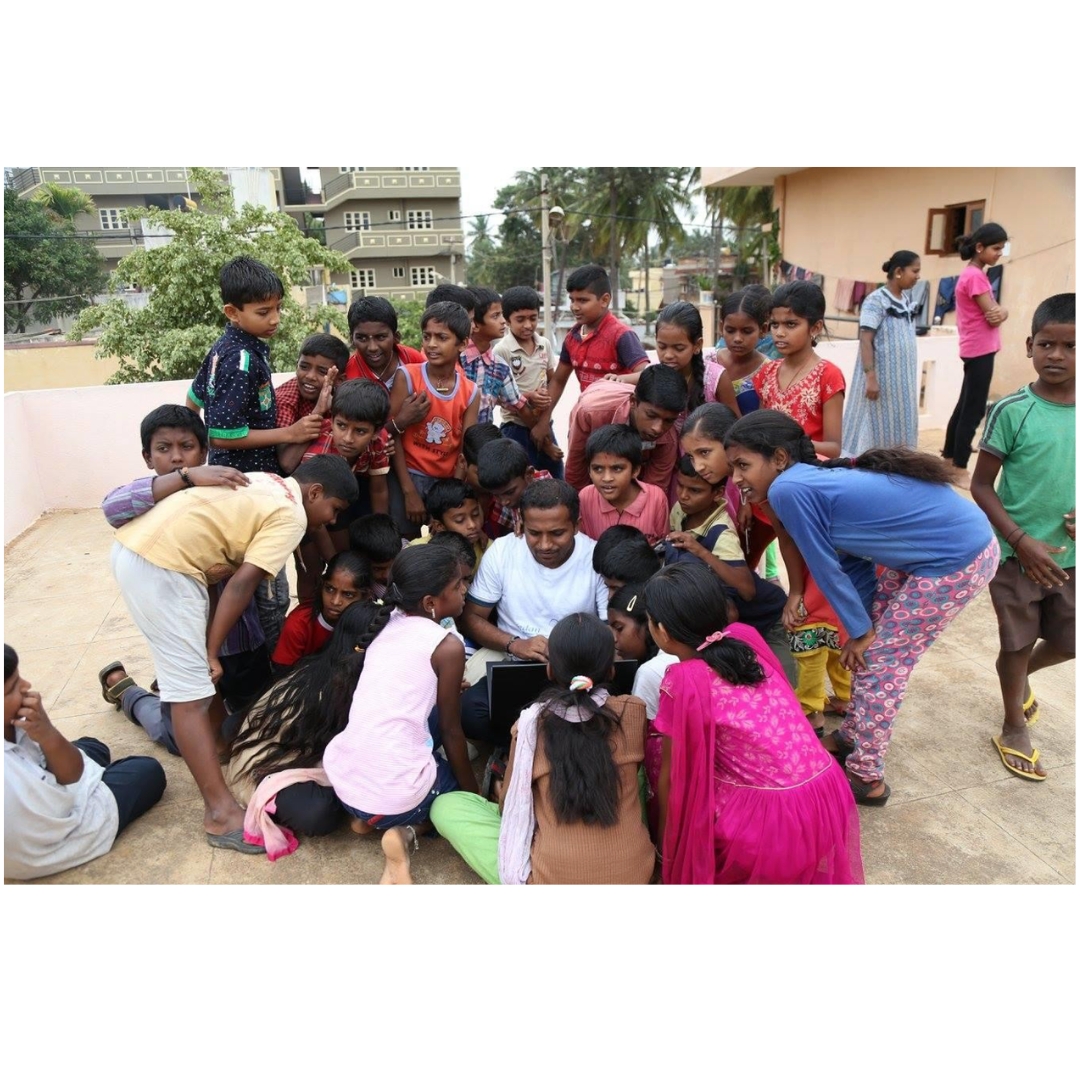
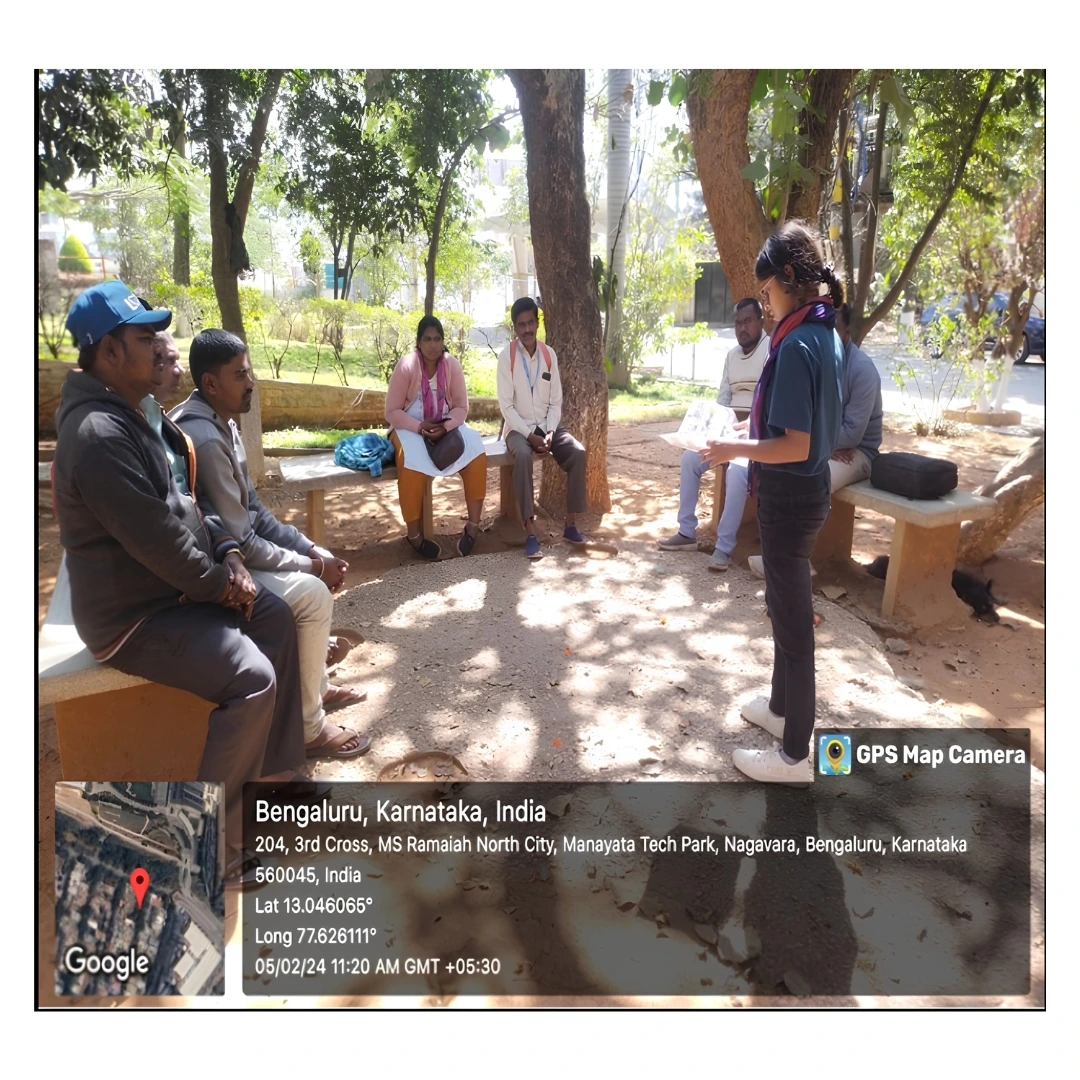
Along this decade-long journey, our IEC (Information, Education, and Communication) activities evolved significantly. Through continuous door-to-door awareness programs, we realized that communication must be customized to different age groups to be effective.
Over the years, our IEC materials have helped residents understand:
- What waste is and how to identify it
- How to segregate waste responsibly
- Why timely disposal and cooperation matter
This ongoing learning process has shaped our approach — from one community’s effort in 2015 to a comprehensive ward-level waste management system today.
During our fieldwork, we encountered several practical challenges in the implementation of waste collection using standard hoppers and tippers. These vehicles, though designed for urban use, often failed to meet the specific needs of smaller towns and varying terrain conditions.
When TMC Moodbidri planned to procure new vehicles, we collaborated with them to customize the design for better efficiency. The modified vehicles were equipped with:
- Louvers for improved air circulation
- Separate compartments to collect wet waste in crates and dry waste in bags
- Optimized loading capacity, enabling more waste to be collected in a single trip
This model, introduced in 2022, has been running successfully. Recognizing its effectiveness, the municipality has since added more vehicles — with two new units being procured in 2025 — proving the design’s sustainability and efficiency.
Similarly, we have designed custom trolleys for waste collection in slum areas, where road widths are as narrow as two feet. These lightweight, compact trolleys allow waste to be collected without disruption, even in densely packed neighborhoods.
By adapting vehicles and tools to local realities, we ensure that the collection system remains efficient, and that time, money, and effort are not repeatedly invested by multiple stakeholders for the same outcomes year after year.
Our Commitment
At Vedan, we believe every ward is a self-contained ecosystem — with institutions, markets, offices, and homes interconnected by a single goal: a clean, sustainable environment. Through Ward Maps, structured IEC programs, and micro-planning, we aim to make waste management efficient, transparent, and community-driven.
Conclusion
A ward is not just a boundary — it is a living ecosystem made up of households, institutions, schools, hospitals, markets, offices, and public spaces. Each of these components generates different kinds of waste, and managing them efficiently requires integrated, localized planning.
Our journey in ward waste management has evolved step by step — beginning with Ward Mapping to understand ground realities and plan collection routes, followed by Vehicle Design that made waste collection practical and worker-friendly, and further expanding into Zero Waste Campus models that help institutions and G-Star Model that help markets, manage their waste responsibly within their own premises.
Through these interconnected efforts, we have developed a comprehensive ward-level waste management system — one that is data-driven, participatory, and replicable. Every element — from timing collection vehicles, mapping sweeping schedules, or engaging residents — works together to create a ward that sustains itself without depending on landfills or black spots.
In essence, Ward Waste Management is about creating self-sufficient, zero-waste ecosystems, where every stakeholder — citizen, institution, and municipality — knows their role and contributes towards a cleaner, healthier community.