goshalas benefited

0 +

per day of waste redirected away from landfill

0 kgs

The Challenge of the Urban Jungle: Turning Market Waste into Opportunity

Our journey into market waste management began back in 2017 with a conversation with Mrs. Sandhya, Medical Officer of Health, whom we met during our work in Amruthahalli. She was deeply appreciative of the enthusiasm and energy we brought to our zero waste initiatives there. During our discussion, she mentioned something that stayed with us —

“No one is really working on waste management in markets. NGOs avoid it because it’s messy and complicated.”

That statement struck a chord. It was true — markets were generating enormous amounts of waste every single day, and yet, no one was addressing it seriously, as for people in the SWM sector, the sheer mountain of waste often induces a kind of paralysis. The sight of towering, rotting piles, day after day, makes the problem seem intractable. At Vedan Trust, we understand that feeling. But we also know that volume is just an illusion. You don’t need to see less waste; you need to see a system. We decided to take this as a challenge and an opportunity.

What began as a simple conversation has since grown into a mission — to make every market a cleaner, circular space where waste is treated as a resource, not a problem.

Phase 1: Deep Dive into the Dragon’s Den

Our team embarked on an intensive, boots-on-the-ground study of the KR Puram market. We didn’t just look at the trash; we studied the entire ecosystem.

Our field study revealed a complex web of activities and understanding of the market ecosystem

  • The 3:00 AM Rush: The market runs from 3:00 AM to 11:00 PM. But the critical window is 3:00 AM to 9:00 AM, where farmers sell wholesale.
  • The Crucial Moment of Abandonment: By 8:00 AM, whatever the farmer hasn’t sold is economically unviable to transport back. It is simply abandoned. This isn’t garbage; it is fresh, high-quality, whole food—left to rot in piles due to a lack of system.
  • The Public Health Crisis: This abandonment, combined with broken cleaning schedules, creates the unhygienic environment that drives customers to supermarkets, even if the produce there isn’t as fresh. Poor management is directly costing vendors their livelihood.

The core problem was not the volume of waste; it was the lack of intelligent division and immediate diversion. Everything was being treated as one undifferentiated, unmanageable mess.

The consequence? Unsold produce is quickly dumped into rotting piles. This creates a severe health hazard, pollutes the area, and drives away consumers who prefer the hygiene of supermarkets, leading to huge losses for honest market vendors.

Sample Text

Phase 2: The Birth of the GSTAR Model

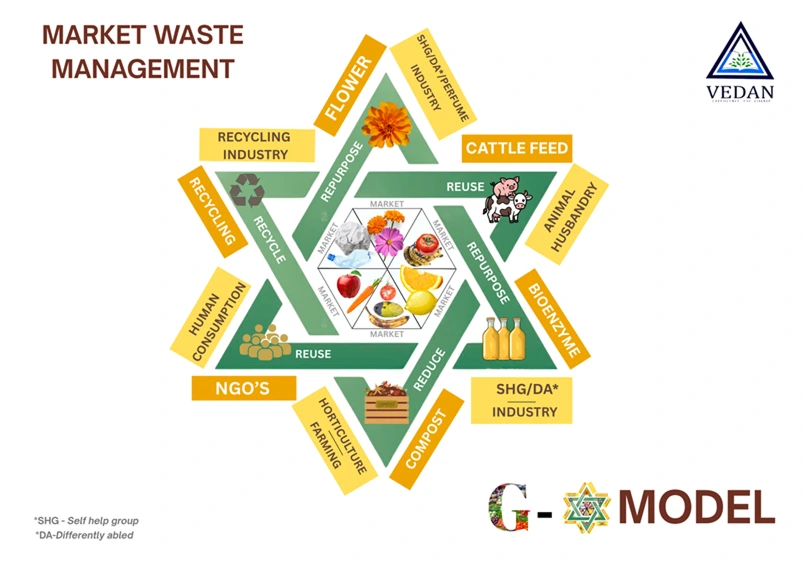
Our response was the GSTAR Model. It’s a simple, systematic framework designed to defeat the perception of “unsolvable volume” by establishing clear roles, clear responsibilities, and clear destination for every single item.

GSTAR proves that when you divide the volume into four distinct streams—Reuse, Repurpose, Reduce, and Recycle—the “mountain” instantly becomes a series of manageable, high-value resources when collected at the right time and in the right way.

GSTAR is a systematic, five-step resource recovery process that ensures not a single resource is wasted:

G - Garbage becomes a STAR through Systemised Segregation

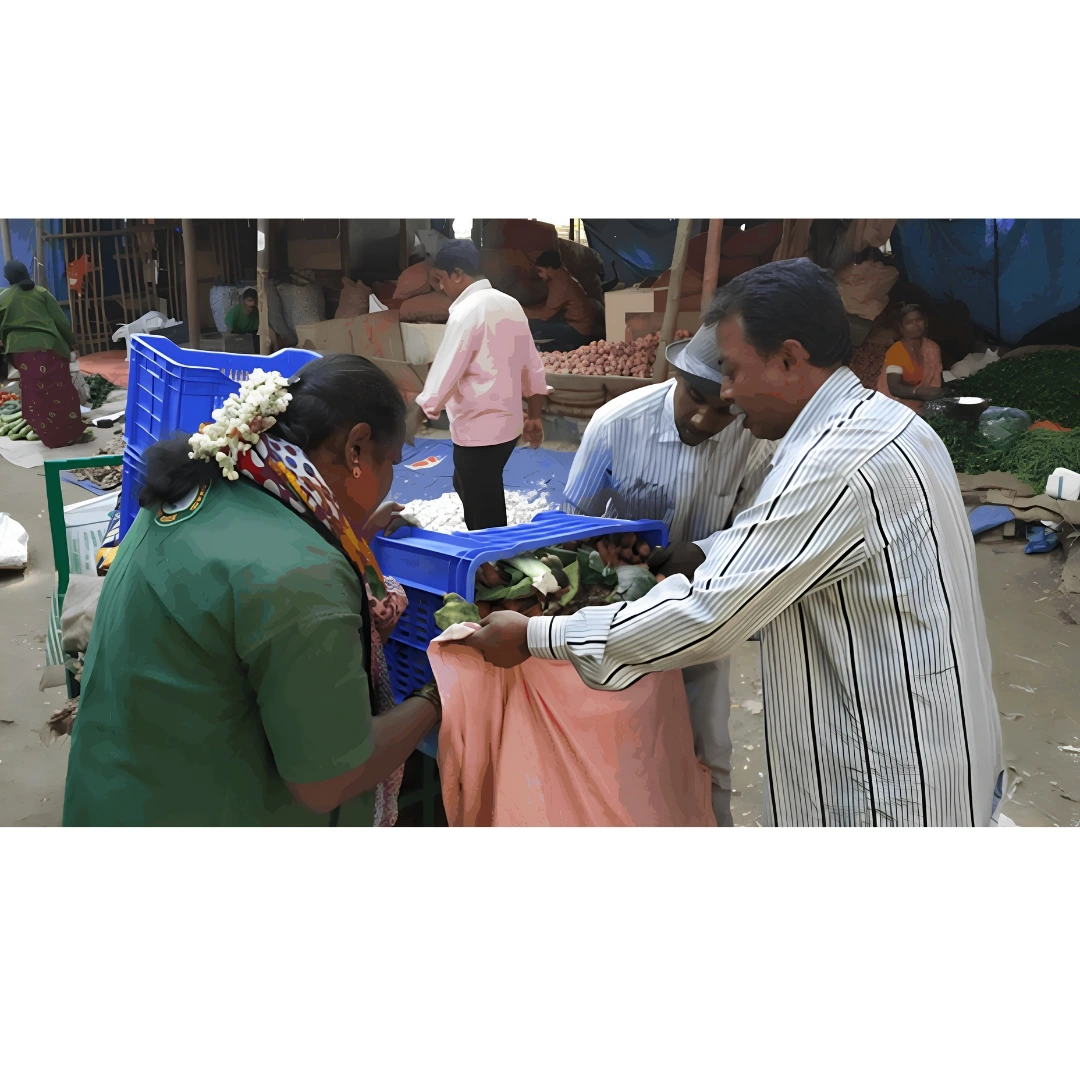
The key to GSTAR is simple logistics: The farmer brings produce in crates and bags; the waste is collected in crates and trolleys.

  • This simple system ensures clean, sorted waste at the source, making the subsequent steps possible. For instance, unsold carrots go into the designated ‘Carrot Crate’ for animal feed, while flowers go into a separate bin for repurposing.
  • This simple act gives us sorted waste at the source itself, making the rest of the process frictionless.

S - Salvage (Reuse)

This fresh, unsaleable, but perfectly edible produce is immediately diverted.

  • Farmer’s Freshness: The fruits and vegetables left by farmers at 8:00 AM are collected and channeled to NGO community feeders.
  • Impact: We ensure high-quality natural resources and nutrients—that took water and effort to grow—are efficiently utilized, feeding people and communities instead of landfills.

T - Transform (Repurpose)

Certain items are collected separately for specialized reuse:

  • Flowers and Citric Fruits (pineapples, lemons, oranges) are kept apart.
  • Impact: Flowers are sent to self-help groups or perfume industries, while citric waste is channeled for bioenzyme production, creating new products and income streams.

A - Animal Feed (Reuse)

The sorted produce that is no longer fit for human consumption but is safe for livestock is diverted.

  • Impact: This waste is channeled directly to cattle and pig farmers, providing affordable feed and reducing the volume of waste hitting the compost pit.

R - Reduce & Recycle

This is the final-mile strategy for the true remnants:

  • Reduce (Composting): Only the completely rotten waste—unusable for feed or repurposing—is diverted for composting, turning it into rich farm soil. We’ve reduced waste into a resource.
  • Recycle (Dry Waste): The dry waste (cardboard, plastics) is systematically collected and sent to recycling industries.

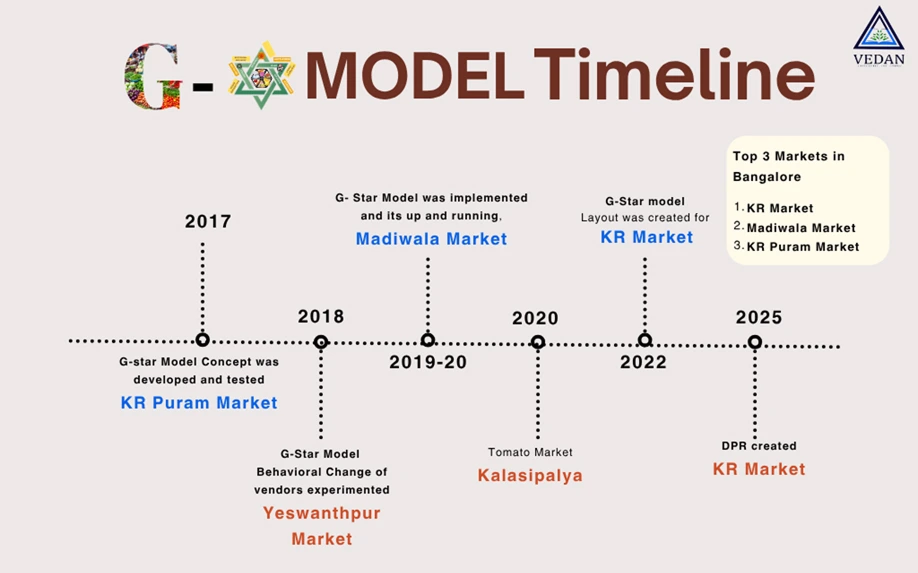
From Pilot to Proof — Tracing the G-Star Model’s Growth

Developing G-STAR was a journey of relentless adaptation and resilience:

  1. 2017 – KR Puram Pilot & Setback: This system was first implemented at the very market we studied, running smoothly for a period. However, our established cow feeding area was ultimately demolished by officials during reconstruction efforts.
  2. 2018 – Yeshwanthpur Attempt: Following this, we were encouraged by then Joint Commissioner, SWM, BBMP to pilot the system at Yeshwanthpur Market. Despite the official support, the initiative could not take off due to a lack of crucial on-the-ground stakeholder alignment.
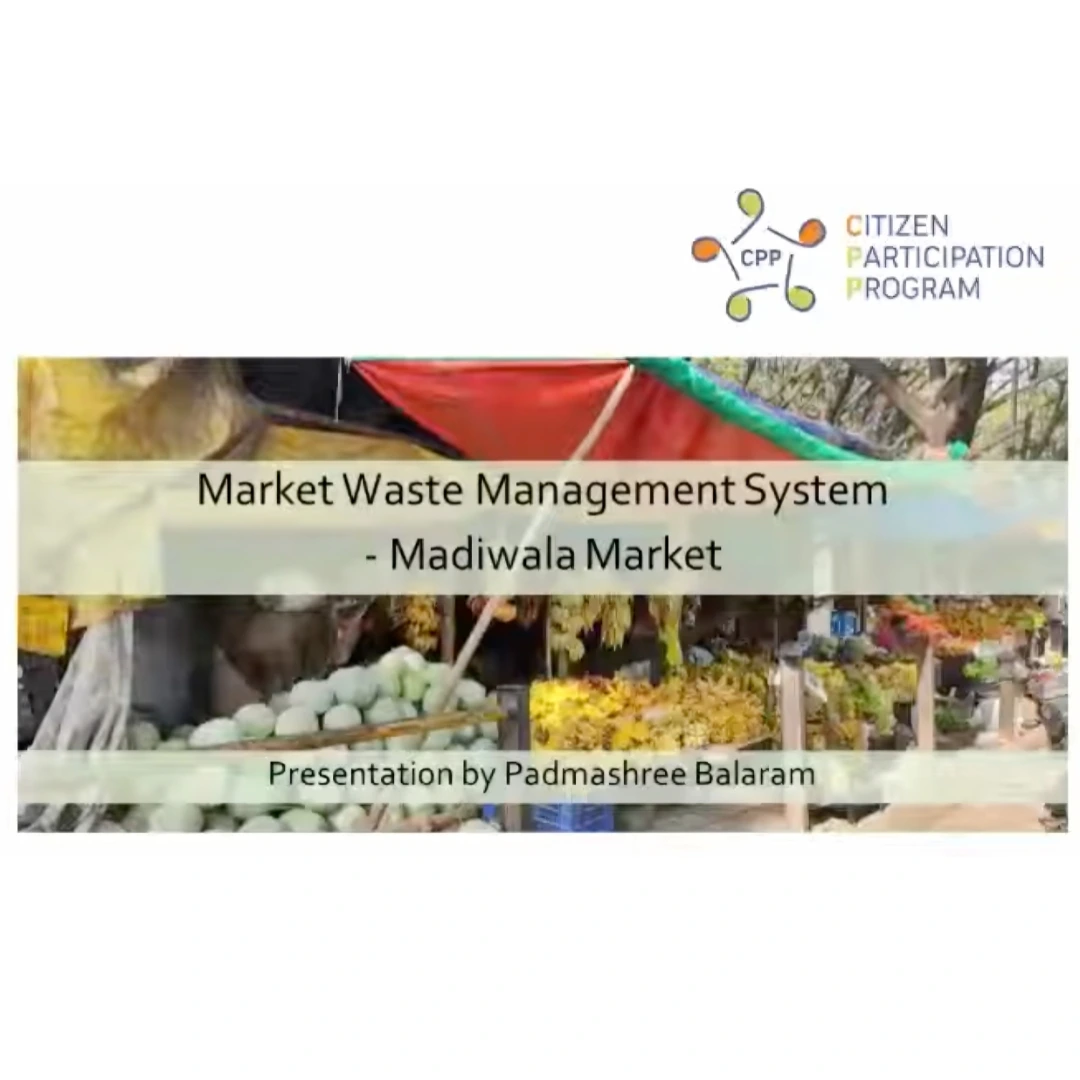
  3. 2019 – Madiwala Triumph: We then approached then Special Commissioner SWM, BBMP, who offered us a trial run at the Madiwala Market, one of the city’s largest. We implemented the G-Star model on a 250-meter stretch. Pleased with the tangible results of a systematic, sorted flow of waste, he quickly extended his support for scaling the system across the entire 1-kilometer market. This was supported and pushed by Mrs Padmashree Balaram of SVP India Lead Partner and Sustainability Strategist who believed in the concept and worked with us on this project.

The timeline below shows a clearer picture of our journey in the development of the G-Star Market Waste Management model.

From Chaos to Order: Tackling Market Waste the Right Way

Our success at Madiwala proved the problem isn’t the volume of trash; it’s the total absence of a system designed for the market’s long, complicated hours. When the right system isn’t there, you can’t manage the waste.

There was no system to mismanage—just a void.

By conducting a detailed study of the market’s flow, understanding stakeholder roles, and designing a system aligned with real-world needs, Vedan—supported by the BBMP and other key partners—was able to implement a model that is both efficient and sustainable.

Encouraged by Madiwala’s success, we’re ready to take this proven model to KR Market, one of Bengaluru’s largest and most complex market environments. The interest from all parties is strong, but funding remains a major holdup.

With the right support, we can bring structure where there’s chaos and turn waste into a resource—one challenging market at a time. We are ready to take the next challenge.

Bring the G-STAR Model to Your Market

If you’re a:

  • Urban Local Body
  • Municipal Corporation
  • Market Association
  • Urban Local Body

We can help you build a functional, scalable waste management system

🛠️ What We Offer

  • Market ecosystem assessment
  • Customized system design
  • On-ground implementation
  • Stakeholder training
  • Monitoring & optimization

💼 Why Vedan

  • Proven success in live markets
  • Deep field understanding
  • Practical, not theoretical solutions
  • Designed for real-world complexity

📩 Let’s Work Together

Transform your market from unmanaged waste to a circular ecosystem.

👉 Get in touch to start your market transformation

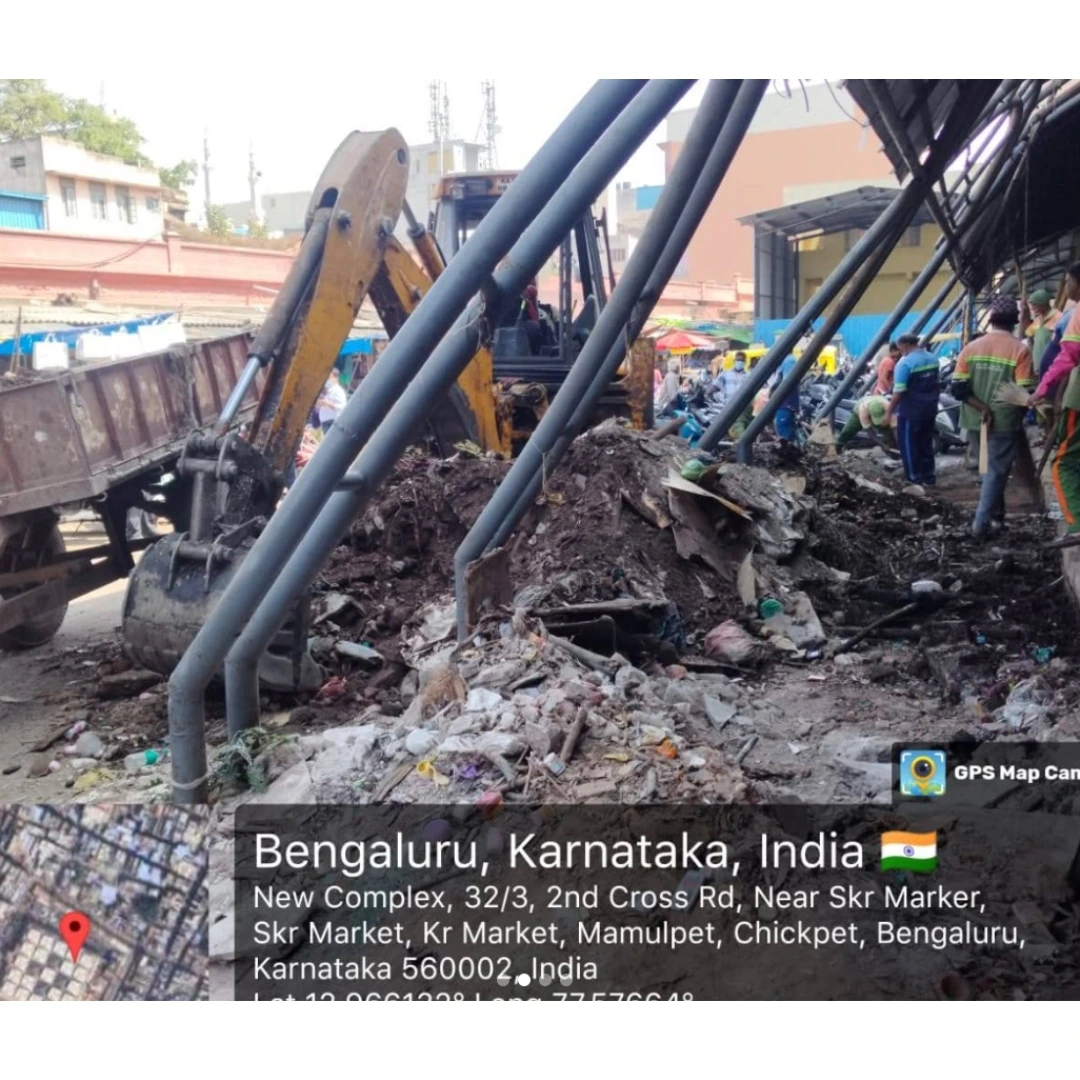
KR Market

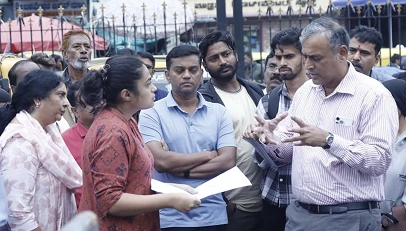
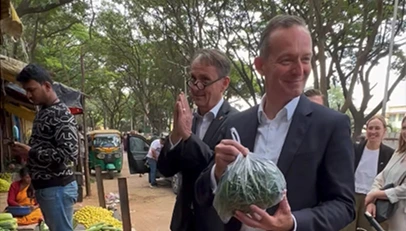
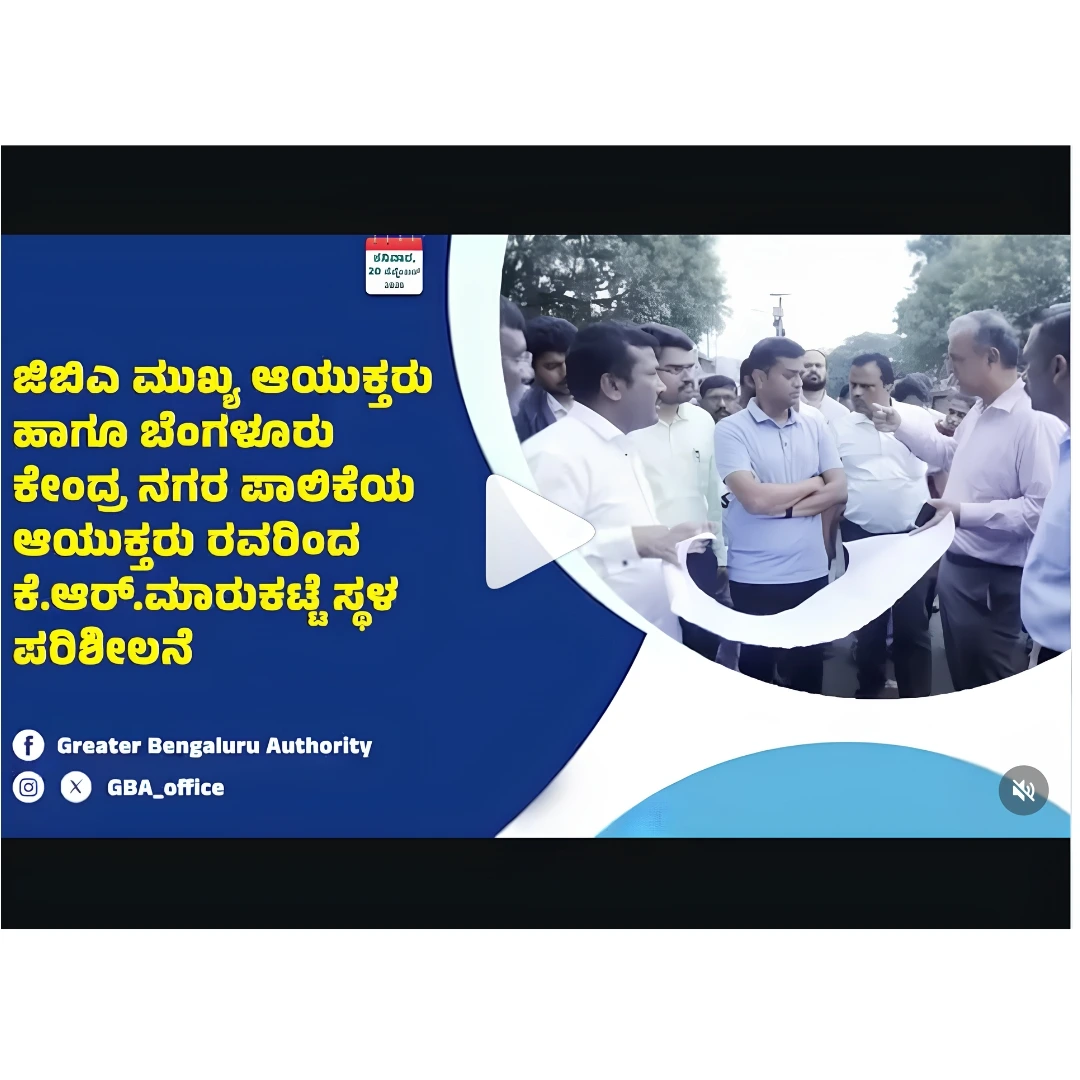
Work at KR Market has recently begun, focusing on understanding waste flows, stakeholder roles, and operational gaps in one of Bengaluru’s largest markets. Early engagement with vendors and authorities has laid the groundwork for introducing the GSTAR Model in a phased manner. This initiative marks the next step in demonstrating that even the most complex markets can be transformed through well-designed systems.

KALASIPALYA

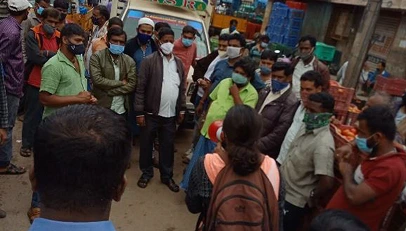
Kalasipalya Market is a powerful example of how systems—not fines—drive lasting change. When a structured waste collection system existed, roads were clean and drains were protected; once the system was withdrawn, the problem returned. Vendors continue to demand the same system, proving that behaviour change had already happened.

MADIWALA

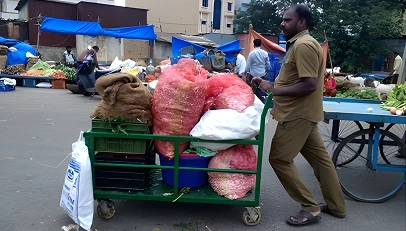
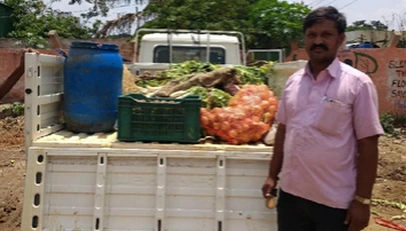
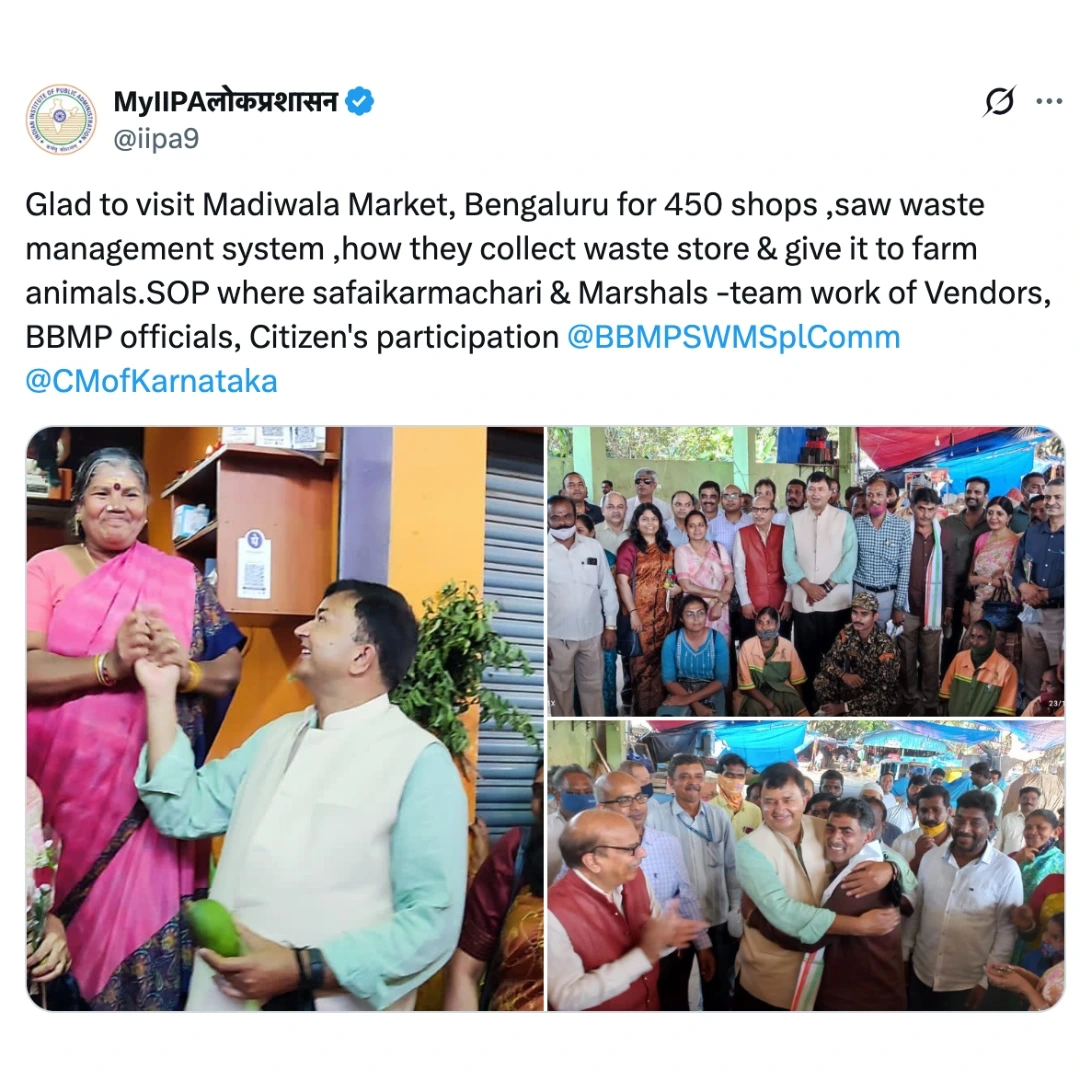
Madiwala Market showed how organic waste can be transformed into a community resource. Fresh produce was diverted for cow feeding, orphanages, and cattle farmers, creating a clean, zero-waste loop. It stands as a fully functional, scalable model for urban markets.

YESHWANTHPUR

Yeshwanthpur Market focused on diverting edible and organic waste away from landfills through simple, local systems. Wet waste was redirected daily for cattle feed, while awareness and dry-waste systems were introduced in nearby schools. The initiative demonstrated clear impact but could not be sustained due to limited on-ground stakeholder support.

KR PURAM

KR Puram Market was Vedan’s first case study, where the G-STAR Model was born. By connecting stakeholders and introducing a simple, coordinated system, the market demonstrated that structured processes—not enforcement—can solve long-standing waste challenges. It became the foundation for all future market interventions.

Our Partners

Media Coverage

Scan. Support. Sustain.

At Vedan, we don’t just manage problems — we redesign systems, empower communities, and create models that continue long after we leave. Your support helps scale solutions that are practical, measurable, and replicable.

Donate Now