
KR Market
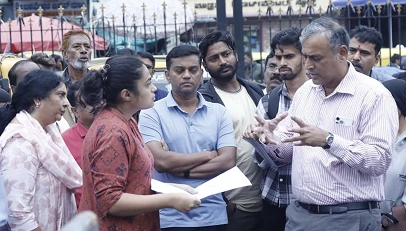
Work at KR Market has recently begun, focusing on understanding waste flows, stakeholder roles, and operational gaps in one of Bengaluru’s largest markets. Early engagement with vendors and authorities has laid the groundwork for introducing the GSTAR Model in a phased manner. This initiative marks the next step in demonstrating that even the most complex […]
KALASIPALYA
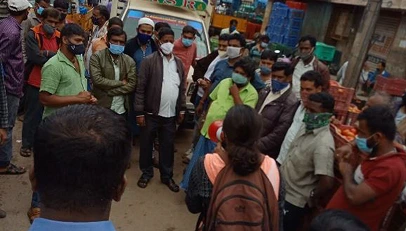
Kalasipalya Market is a powerful example of how systems—not fines—drive lasting change. When a structured waste collection system existed, roads were clean and drains were protected; once the system was withdrawn, the problem returned. Vendors continue to demand the same system, proving that behaviour change had already happened.
MADIWALA
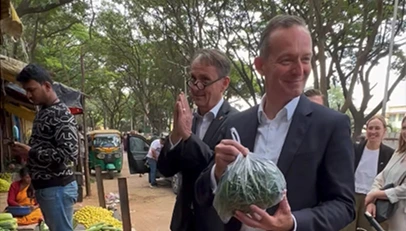
Madiwala Market showed how organic waste can be transformed into a community resource. Fresh produce was diverted for cow feeding, orphanages, and cattle farmers, creating a clean, zero-waste loop. It stands as a fully functional, scalable model for urban markets.
YESHWANTHPUR
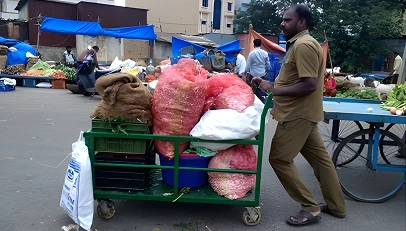
Yeshwanthpur Market focused on diverting edible and organic waste away from landfills through simple, local systems. Wet waste was redirected daily for cattle feed, while awareness and dry-waste systems were introduced in nearby schools. The initiative demonstrated clear impact but could not be sustained due to limited on-ground stakeholder support.
KR PURAM
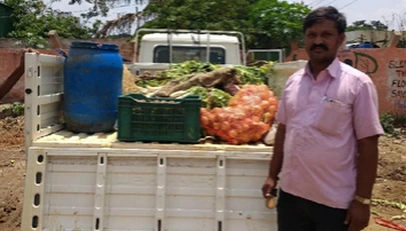
KR Puram Market was Vedan’s first case study, where the G-STAR Model was born. By connecting stakeholders and introducing a simple, coordinated system, the market demonstrated that structured processes—not enforcement—can solve long-standing waste challenges. It became the foundation for all future market interventions.