How to Host a Zero Waste Event: A Step-by-Step Guide
In a world facing increasing environmental challenges, hosting a Zero Waste Event is more than a sustainable choice — it’s a powerful statement. Whether you’re organizing a large public festival or a small private gathering, going Zero Waste is not only achievable but also highly impactful.
Here’s a practical step-by-step guide to help you plan and execute a successful Zero Waste Event.
Step 1: Make the Commitment
The first and most important step is making the conscious decision to host a Zero Waste Event. This means committing to avoid single-use items and minimizing overall waste generation. Once this decision is made, it becomes the guiding principle throughout the planning and execution phases.
Step 2: Plan the Zero Waste Setup
Planning is key to success. During this phase:
- Engage with vendors and organizers early to ensure they understand and agree to follow Zero Waste protocols. Request their commitment to avoid single-use items and provide them with alternate options to the single-use items.
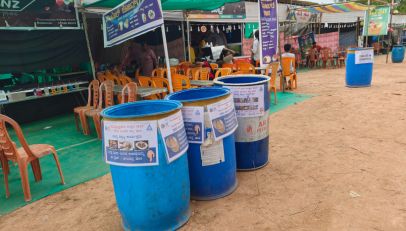
- Design the waste management system, including well-marked waste stations and a dry waste aggregation centre and a compost pit where possible.
- Promote the event’s Zero Waste goal through media and social channels to encourage participant cooperation and build community awareness.
Step 3: Train Your Team
People make the system work. This step focuses on:
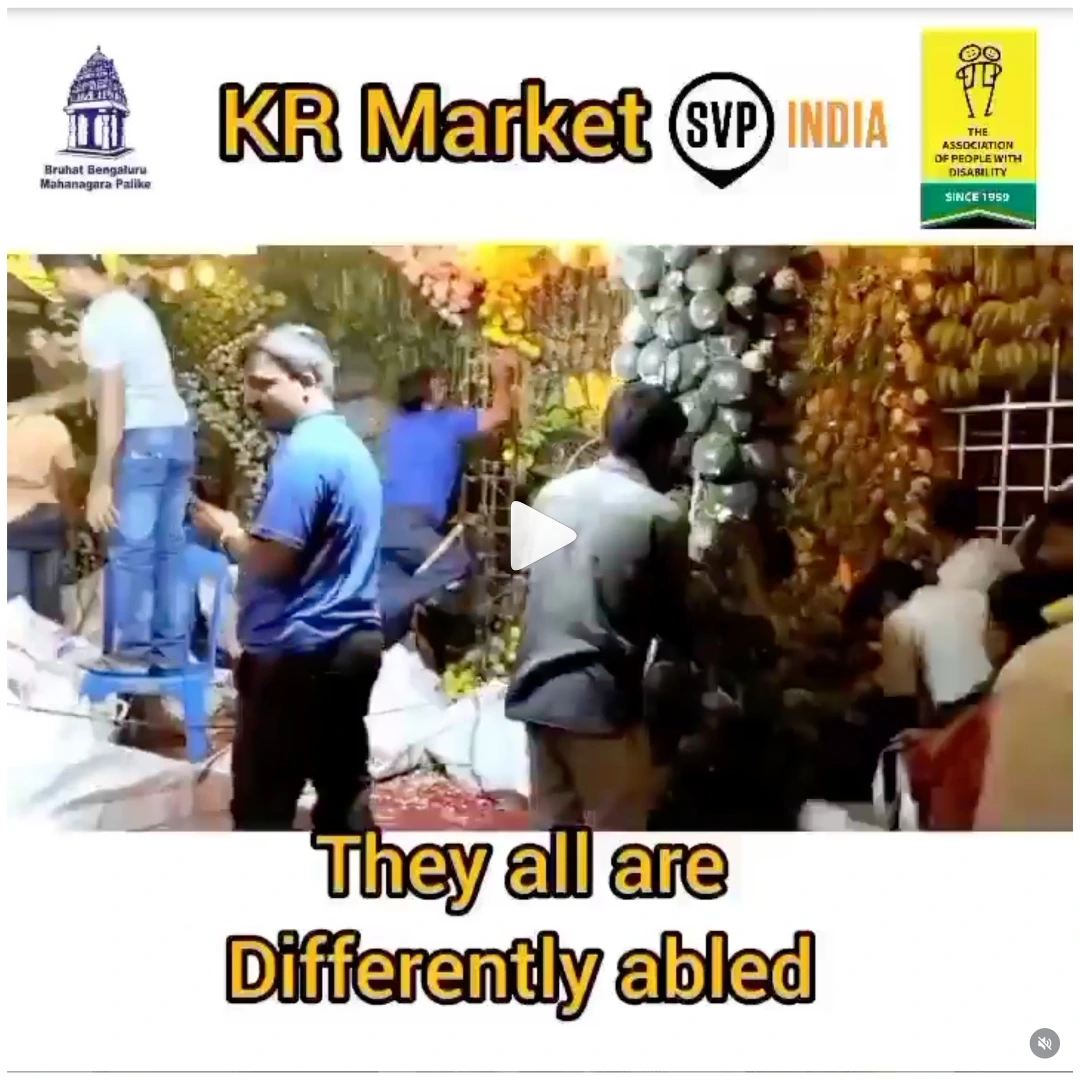
- Recruiting volunteers to guide guests and help monitor waste stations.
- Training housekeeping staff in proper waste segregation and collection methods.
- Ensuring everyone involved understands the Zero Waste philosophy and their roles during the event.
Step 4: Execute with Supervision
Execution is where planning meets action. On event day:
- Assign a Zero Waste Supervisor to oversee operations, coordinate volunteers, and address any issues.
- For larger events, consider appointing multiple supervisors to cover different zones.
- Ensure smooth coordination between the front-end collection points and the back-end waste processing.
Step 5: Measure the Impact
A Zero Waste Event doesn’t end when the crowd disperses. To truly close the loop:
- Measure and document the waste collected — how much was recyclable, compostable, or rejected.
- Ensure proper disposal: recyclables to authorized recyclers, wet waste to composting, and minimal reject waste to responsible disposal.
- Share the outcomes to celebrate success and inspire others.
Real-World Impact
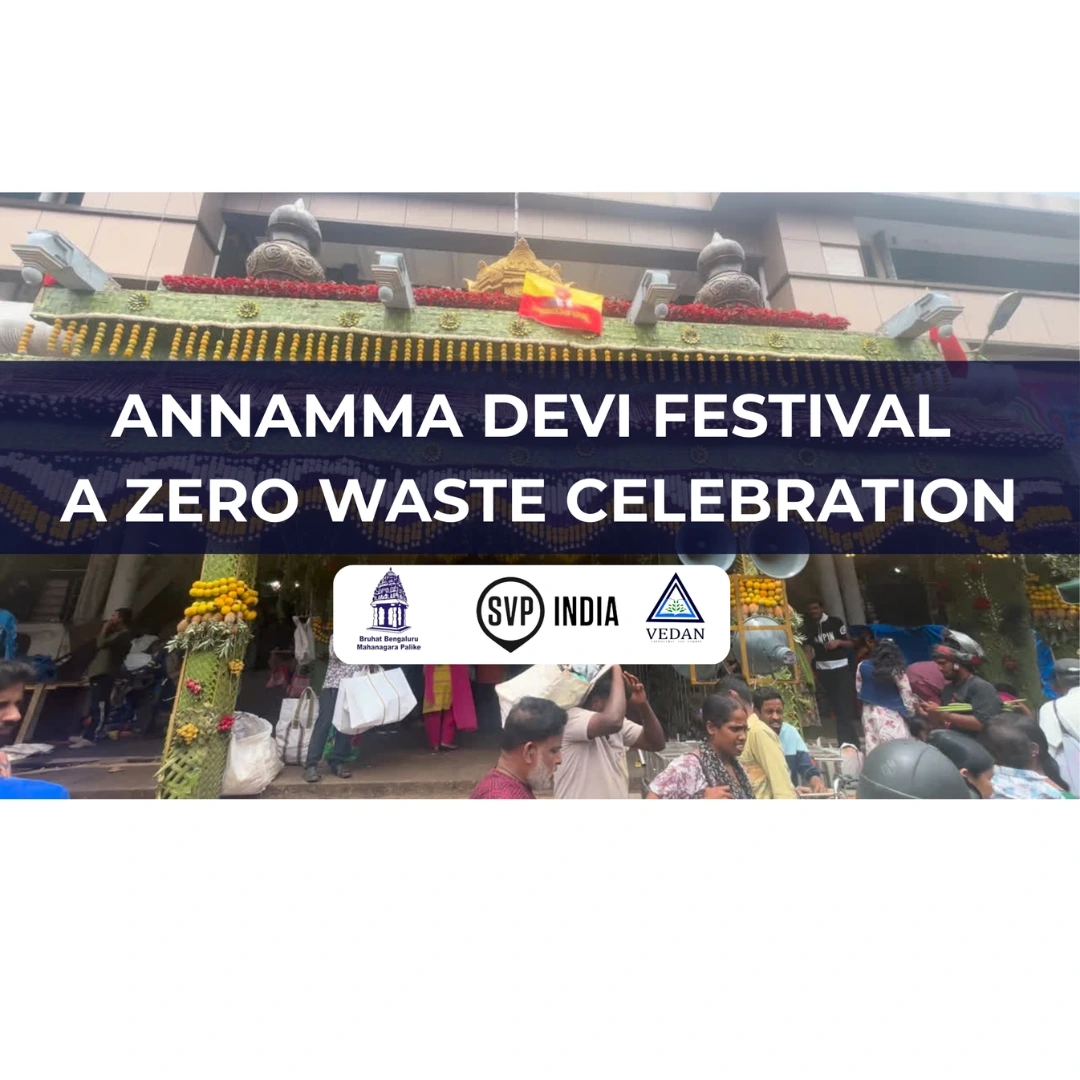
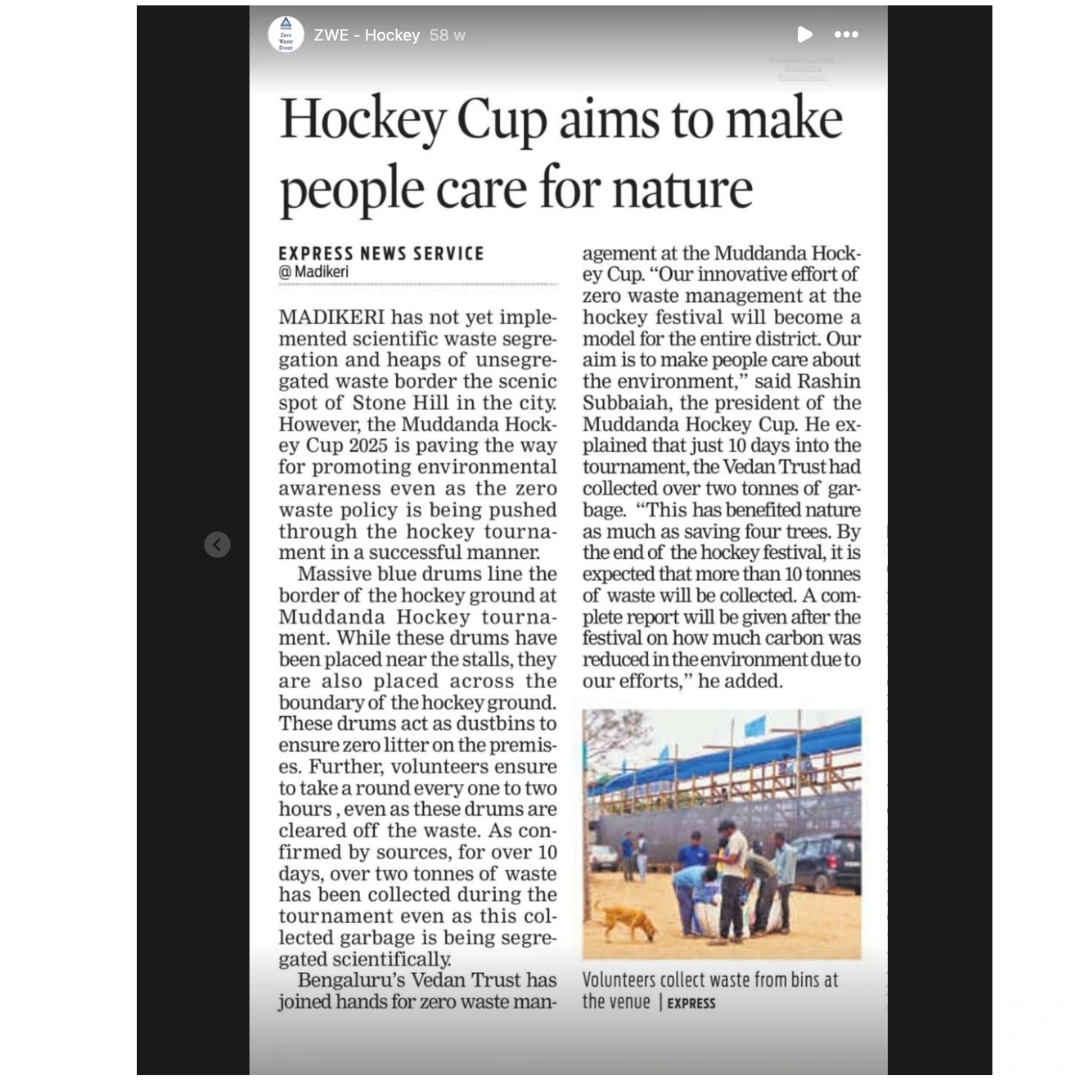
Zero Waste Events have already been successfully implemented at various scales — from large-scale public events like Kambala (with over 1 lakh attendees per day) and Ganesh Utsav rallies, to month-long sports festivals and even small, private weddings. The common thread? A clear intention and a simple, replicable process.