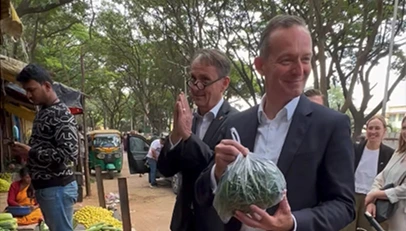
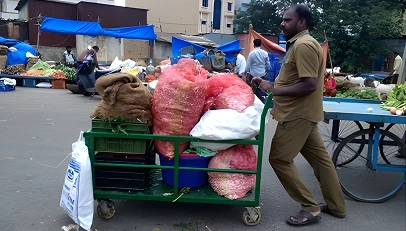
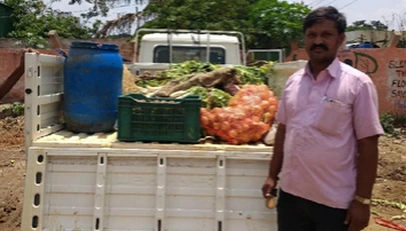
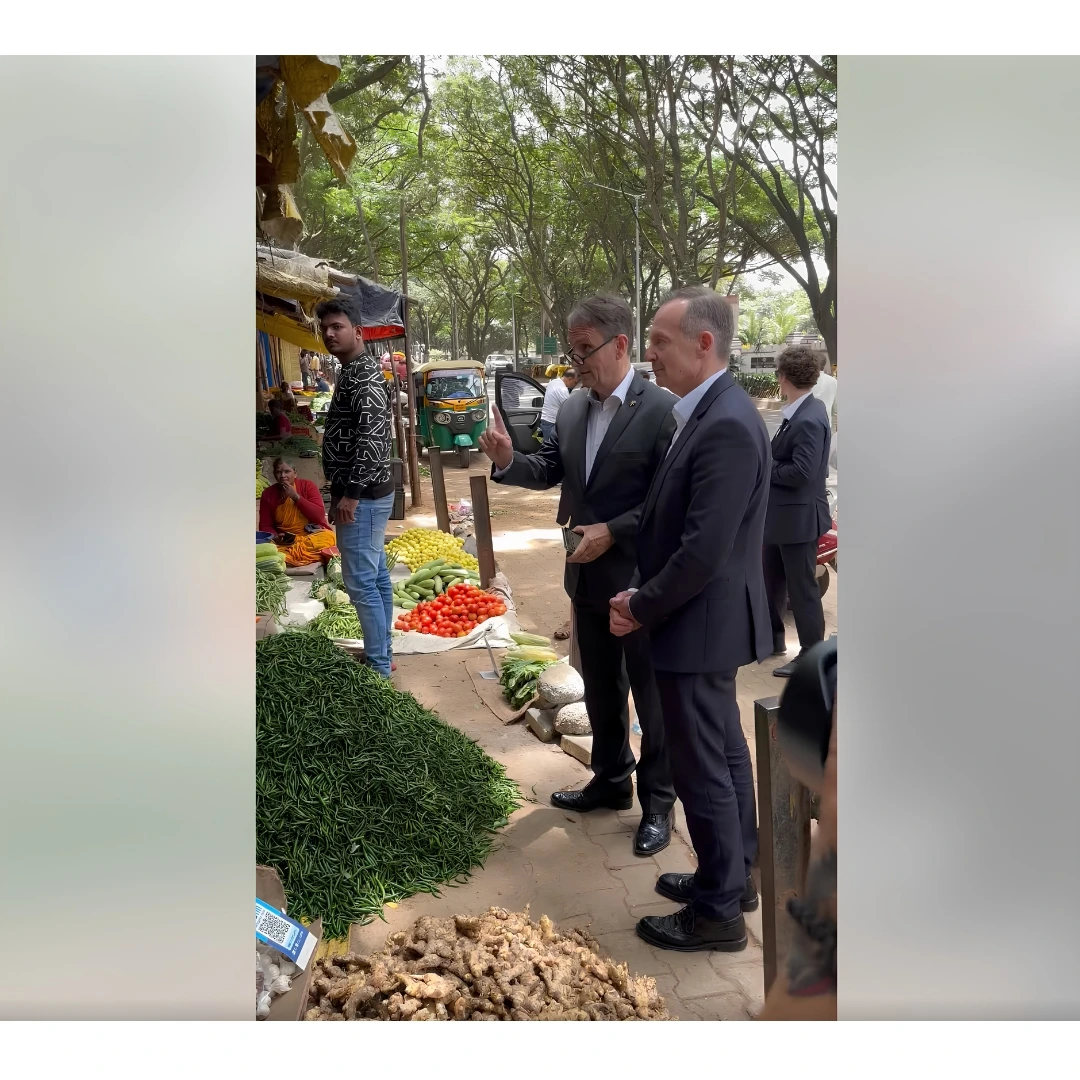
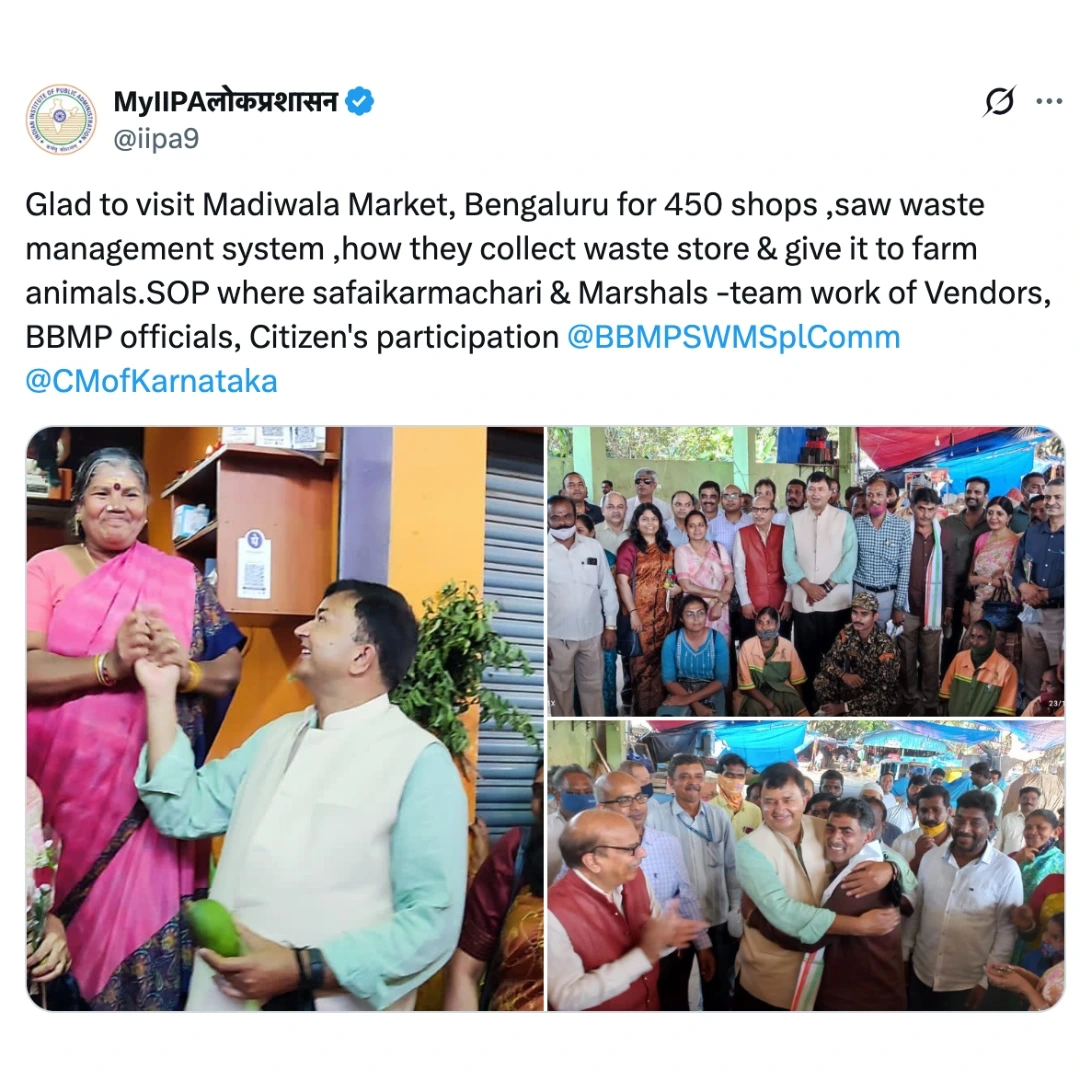
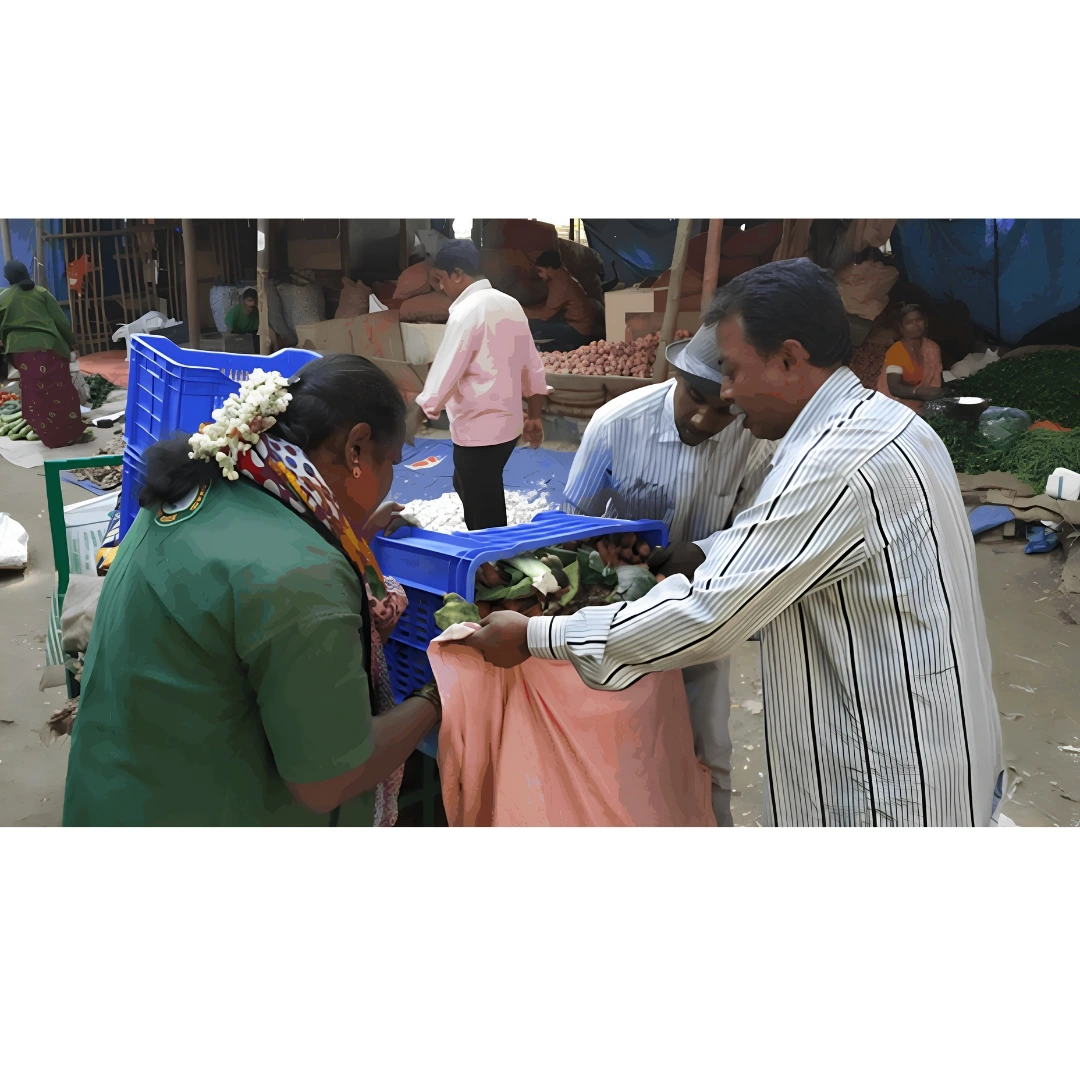
Our success at Madiwala Market reinforced an important lesson: the challenge was never the quantity of waste—it was the absence of a well-designed system to manage it.
Markets operate for long hours, involve multiple stakeholders, and generate diverse waste streams throughout the day. Without a system tailored to these realities, even the best intentions cannot deliver lasting results. The issue was not that the existing system was failing—there simply wasn’t one.
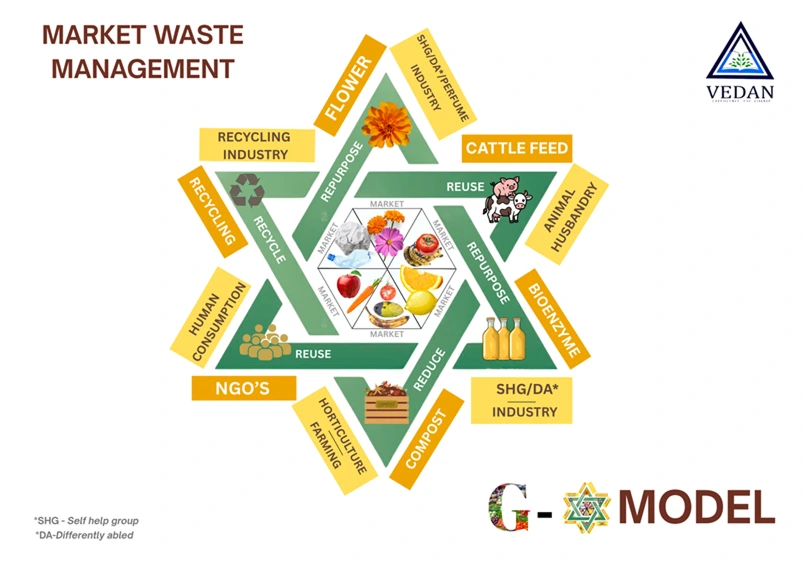
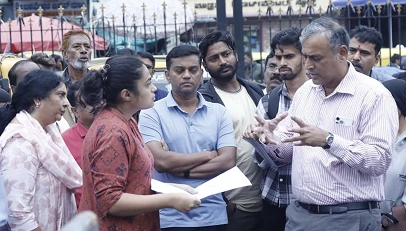
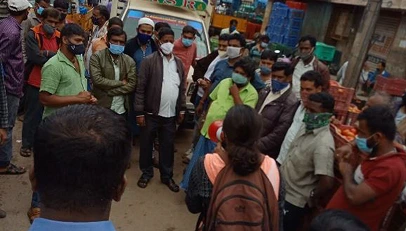
Vedan began by conducting an in-depth study of the market’s operations, mapping waste generation patterns, understanding stakeholder behaviour, analysing material flows, and identifying operational gaps. Based on these insights, we designed and implemented a practical, scalable waste management system that worked with the market’s unique ecosystem rather than against it.
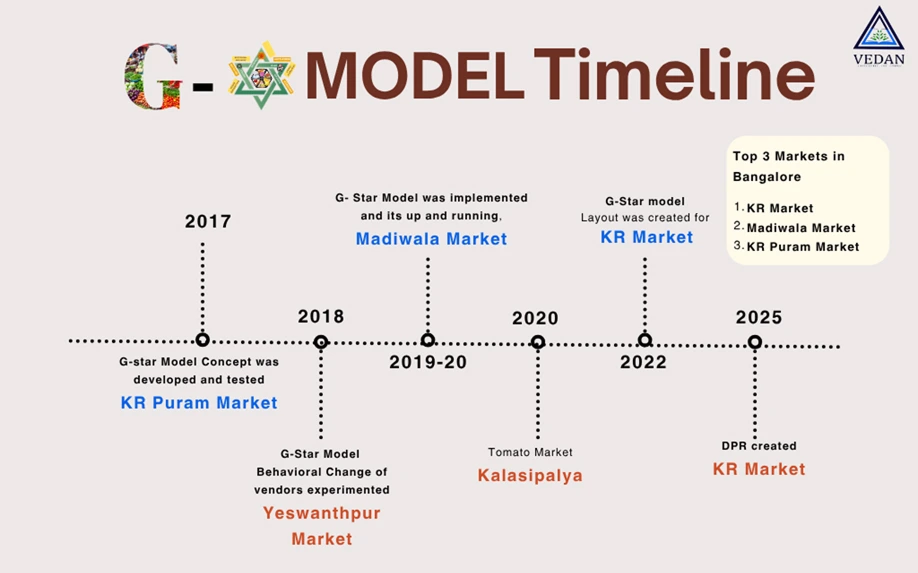
With the support of BBMP and other key partners, this approach transformed waste management at Madiwala Market into an efficient, accountable, and sustainable model—demonstrating that the right system can convert a complex waste challenge into a manageable process.
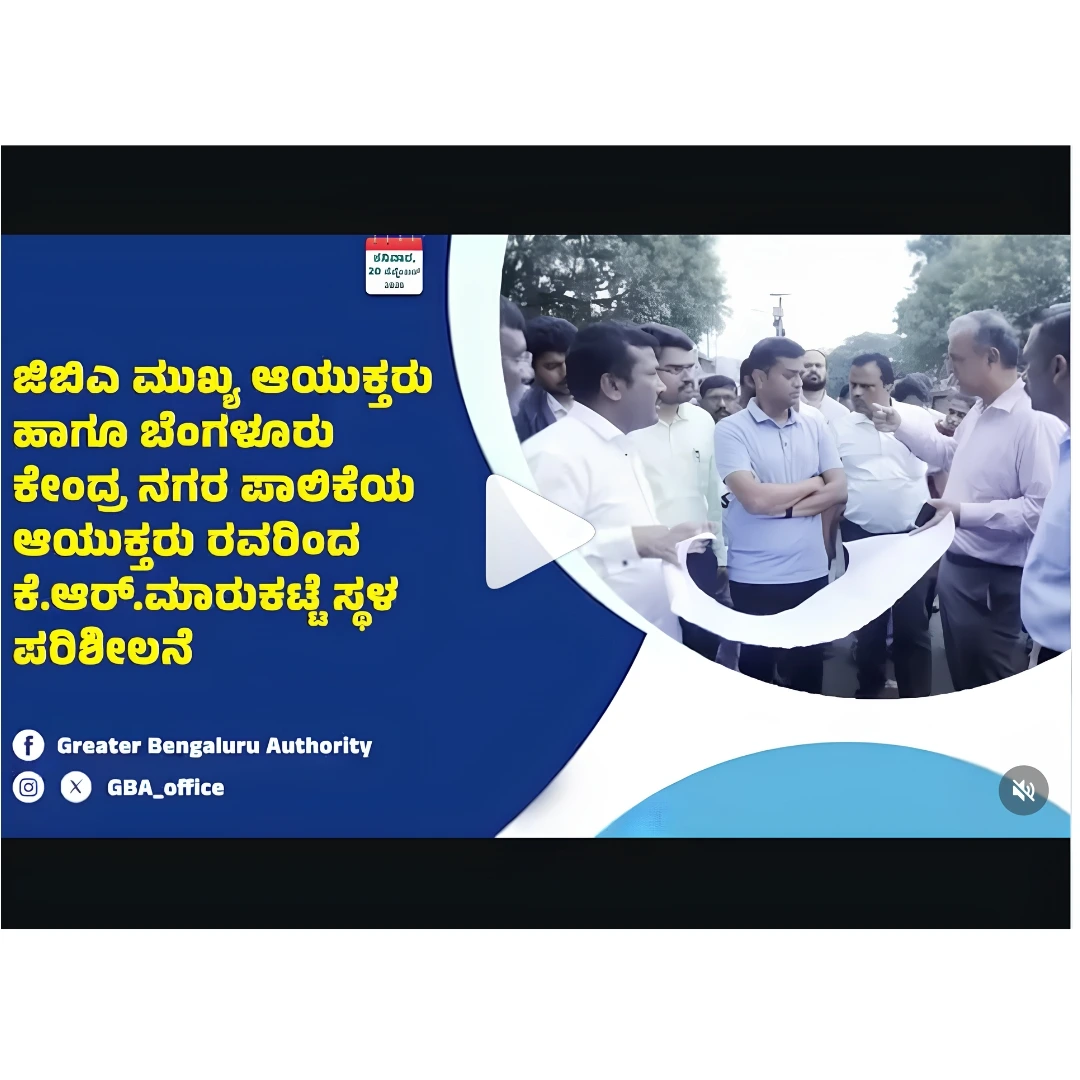
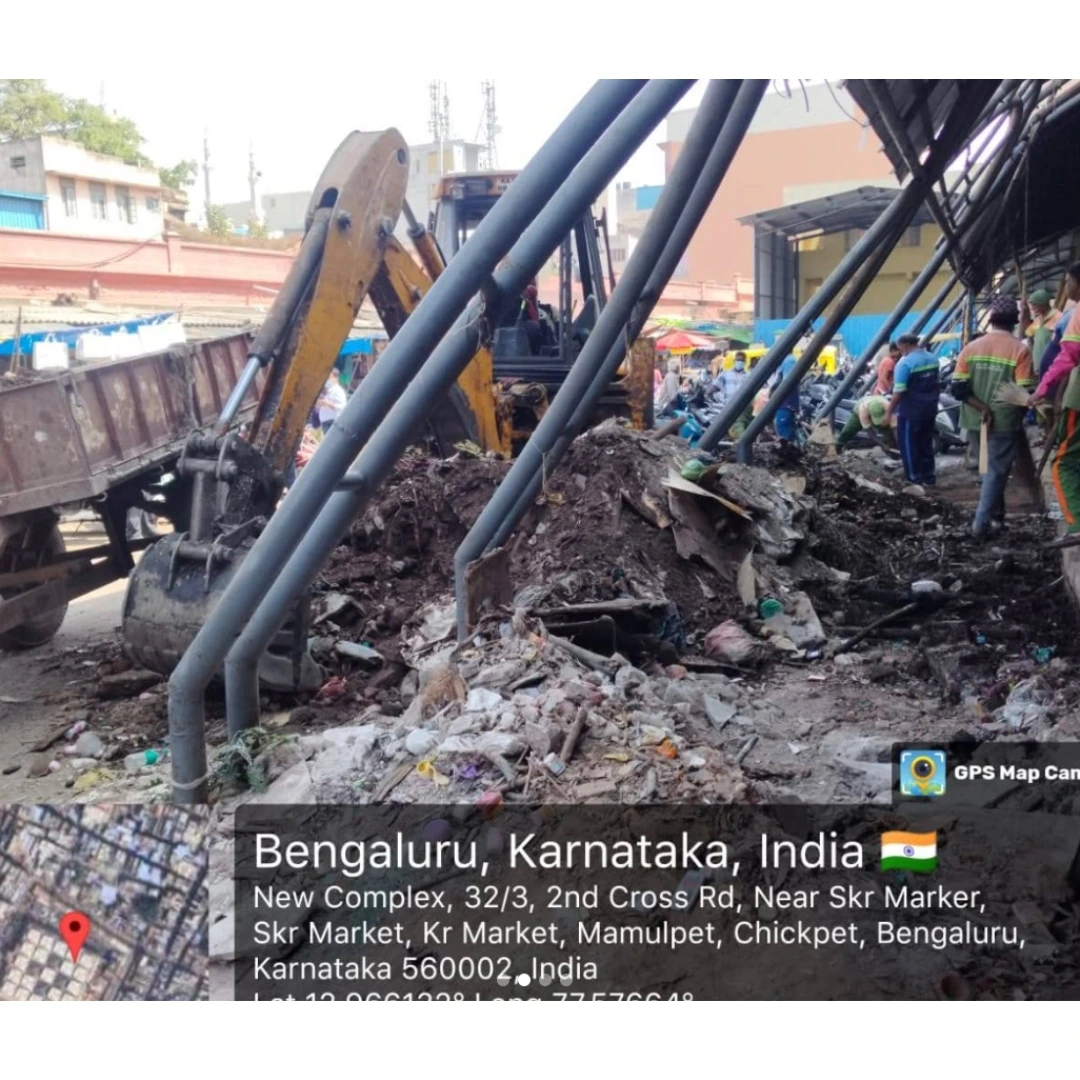
Building on this success, Vedan is now prepared to replicate and scale this model at KR Market, one of Bengaluru’s largest, busiest, and most complex traditional markets. The commitment from government departments, market stakeholders, and implementation partners is strong. The primary challenge now is securing the financial support needed to bring the project to life.
With the right investment, we can transform disorder into a well-managed system, recover valuable resources from waste, improve working conditions for market stakeholders, and create a model that can be replicated across markets throughout the country.
The challenge is significant—but so is the opportunity. We are ready for the next transformation.